| Who regulates | The DEC WW Program issues permits for soil-based wastewater systems with flows under 6,500 gallons per day, for private (non-public) potable water supplies, and for municipal water and sewer connections. | dec.vermont.gov |
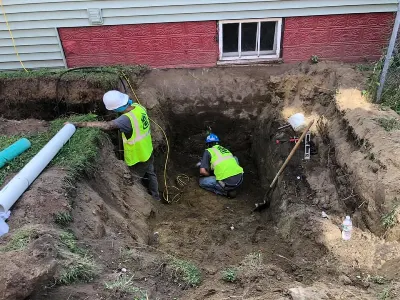
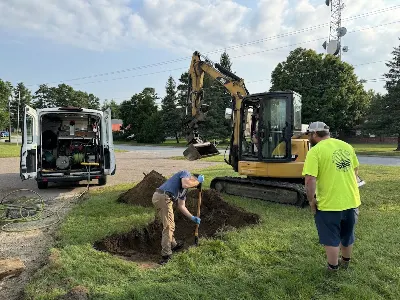
| When a permit is needed | A WW permit is required to build a new system, modify or replace an existing system, add a bedroom, connect a new structure, or change a building's use in a way that increases water use (for example, seasonal to year-round). | dec.vermont.gov |
| Work allowed without a state permit | Minor repairs are allowed without a WW permit, including replacing a septic tank or replacing pipes, under the rules' exemptions (e.g., 1-304(a)(12)). | dec.vermont.gov |
| Designer requirement | No one may design a system that needs a permit without a designer's license from the Secretary, except professional engineers who meet the rule's requirements. | dec.vermont.gov |
| Installer licensing | DEC states that septic system installers are not currently licensed by the State of Vermont, although a voluntary WW Installer Certification program exists through Vermont State University. | dec.vermont.gov |
| Inspection at property sale | I found no official state rule requiring a septic inspection at sale; secondary sources say it is not state-mandated but buyers and lenders almost always require one, and one non-official site claims a mandatory assessment, which I could not confirm. | trinityeng.com |
| Failed systems | A failed system is one with wastewater surfacing, backing up into the building, or discharging to state waters, and the owner must abate the problem and bring the system into compliance. | trinityeng.com |
| Setback to drinking water | A 2026 presentation to the Vermont legislature says the minimum isolation distance between a septic system and a drinking water source is 100 ft (in place since 1949). It can be reduced through a 2-year time-of-travel analysis, but not below 50 ft for a grouted source or 100 ft for a non-grouted source. | legislature.vermont.gov |
| Property line and small lots | A regional planning commission guide says systems generally should not be within 25 ft of a property line. Where that is not possible on small lots, the state lets a designer propose a 'best fix' system. Exact distances are in Tables 11-1 and 11-2 of the Rules, which I did not read directly. | nrpcvt.com |
| Pumping and maintenance | I found no state-mandated pumping schedule; secondary sources say DEC recommends pumping and inspecting about every 3-5 years, and a regional guide says innovative/alternative systems should be inspected annually. | nrpcvt.com |