| Who regulates / current rules | DPH says septic systems are regulated by Sections 19-13-B100a and 19-13-B103 of the Regulations of Connecticut State Agencies and the Technical Standards, and revised rules and Technical Standards take effect September 1, 2026 (the code says the standards are reviewed annually, with changes available each January 1). | portal.ct.gov |
| Permits | No septic system may be constructed, altered, repaired or extended without an approval from the local director of health, and no discharge may begin without a discharge permit issued under Section 19-13-B103e. | regulations.justia.com |
| Plans, site investigation and inspection | Every plan must be submitted to the local director of health, a site investigation is done by the local director of health or a Connecticut-registered professional engineer, and the local director of health inspects the system before it is covered. | regulations.justia.com |
| Large systems | The DPH Commissioner must approve plans for systems serving a building with a design flow of 2,000 gallons per day or greater, and those plans must be designed by a Connecticut-registered professional engineer. | tahd.org |
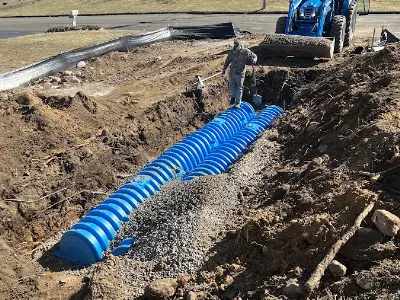
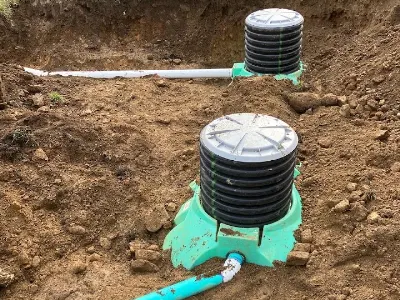
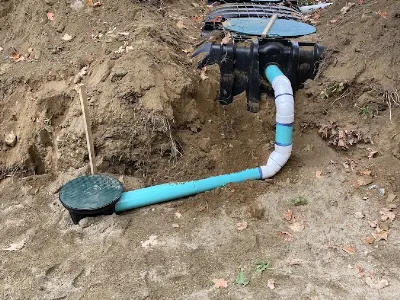
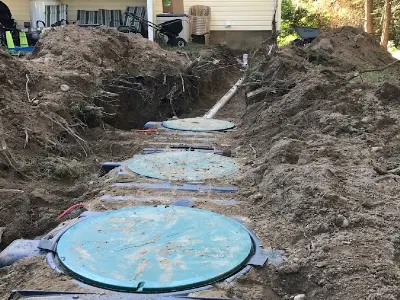
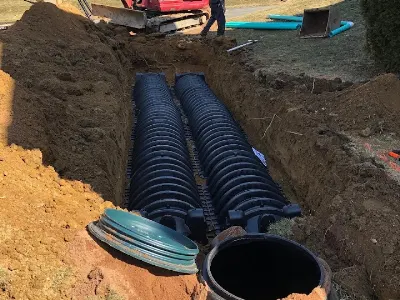
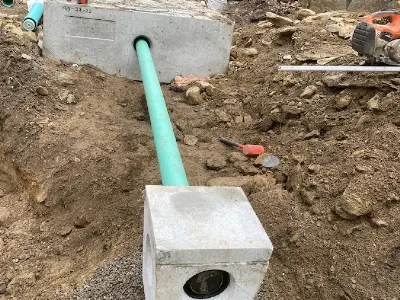
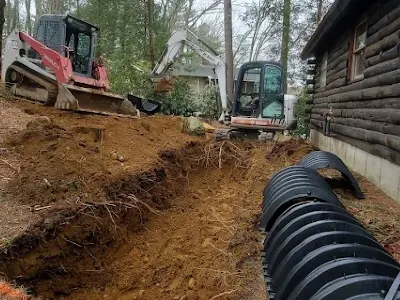
| Septic tank standard | All subsurface sewage disposal systems must have a septic tank, and the Technical Standards require it to be made of concrete or another durable material approved by the DPH Commissioner. | portal.ct.gov |
| Setback to wells | Septic tanks are treated as sources of pollution and should be at least 75 feet from wells with withdrawal rates under 10 gpm (an exception to the minimum distance from a water supply well can only be granted by the Commissioner), and DPH guidance says all pollution sources must be at least 75 feet from new wells. | portal.ct.gov |
| Setback to building and property line | Table 1 sets the distance from the building served to a septic tank at 15 feet, reducible to 10 feet, and the standards allow the distance from the sewage tank and reserve leaching area to the property line to be reduced to 10 feet. | portal.ct.gov |
| Additions and changes in use | Building additions and attached garages are not permitted unless the local director of health determines that a code-complying area remains on the lot for a septic system, and each building must be served by its own separate system. | middletownct.gov |
| Inspection at property sale | I found no state law requiring a septic inspection at sale; real estate sources say none is required statewide, though buyers, lenders (FHA/USDA) and some towns require one, so check with the local health department. The standard Connecticut REALTORS contract rider makes the sale contingent on an inspection by a licensed septic inspector. | ctrealtors.com |
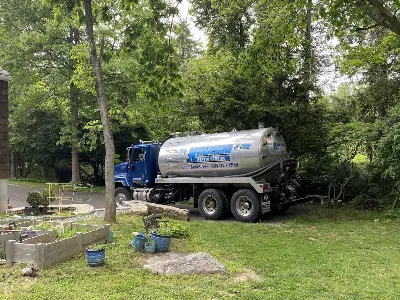
| Pumping / maintenance | I found no state-mandated pumping frequency for homeowners in the official sources. The Public Health Code says tank contents disposed of on the owner's land must be buried or handled in another way that is not a health hazard or nuisance, and sewage taken off the owner's land must go through a licensed installer or cleaner. | middletownct.gov |