| Who regulates | DEQ permits residential and small-business septic systems in Curry, Jackson and Josephine counties from its Medford office, and has contracts with local jurisdictions for permitting in Oregon's other 33 counties. | oregon.gov |
| Rules and agents | Under OAR 340-071, DEQ may appoint local governments as its agents to take applications, issue permits, enforce and inspect, but DEQ keeps that role in non-agreement counties and for all systems that need a WPCF permit. | secure.sos.state.or.us |
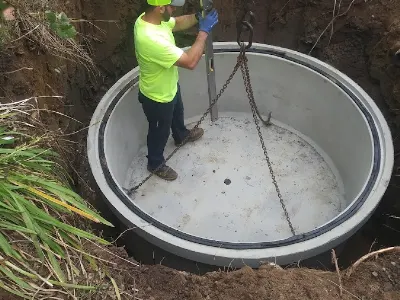
| When a permit is needed | A septic permit is required to install a new septic system, alter an existing one, or repair an existing one. | oregon.gov |
| Site evaluation and land use | A site evaluation is required to build on undeveloped land that has never been evaluated for septic approval, and an affirmative Land Use Compatibility Statement (LUCS) is required before DEQ issues a construction permit for new construction or alterations. | oregon.gov |
| Permit types and validity | Construction permits (new systems, alterations and repairs) are valid for up to one year; larger or higher-strength systems need a WPCF operating permit, which is issued for up to 10 years and must be renewed, and systems over 2,500 gallons per day count as 'large systems'. | oregon.gov |
| Setbacks (wells) | Under OAR 340-071-0220 Table 1, the septic tank must be at least 50 feet from a groundwater supply or well, and the drainfield (sewage disposal area) at least 100 feet from it, with 50 feet for wells built to special WRD standards. | washingtoncountyor.gov |
| Setbacks (buildings, property lines, water lines) | A county health handout summarizing Table 1 gives 10 feet (drainfield) and 5 feet (tank) from building foundations and from property lines, and 10 feet from water lines. Linn County also lists 100 feet (drainfield) and 50 feet (tank) from year-round water bodies. | linncountyhealth.org |
| Inspection at property sale | DEQ says septic system evaluations are voluntary when buying or selling a home, but any evaluation must use the approved Existing System Evaluation Report form and be done by a qualified evaluator such as an installer, maintenance provider, wastewater specialist, environmental health specialist or NAWT-certified inspector. | oregon.gov |
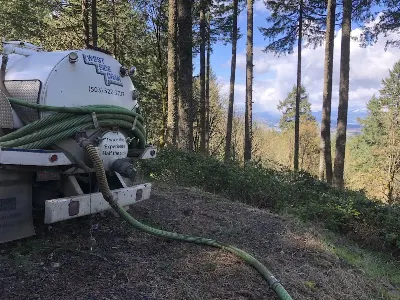
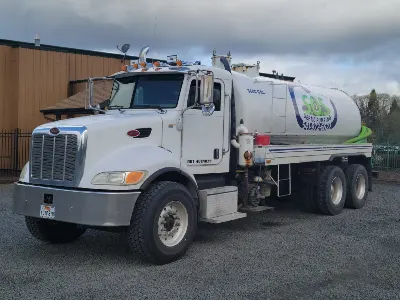
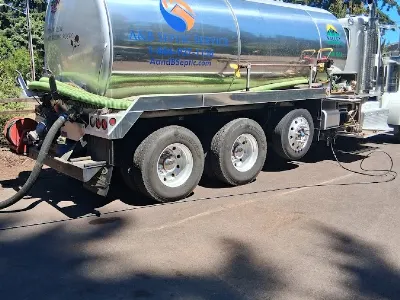
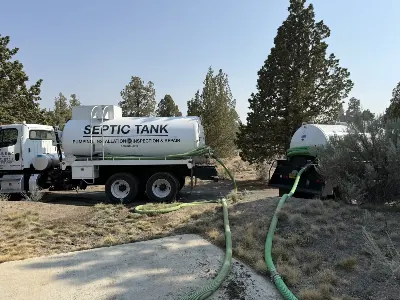
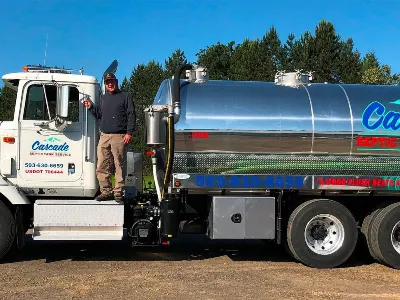
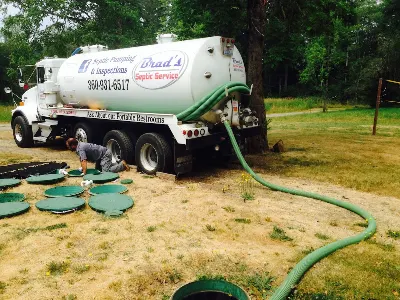
| Pumping and maintenance | I found no official statewide rule setting a pumping interval. DEQ advice, as reported by a real-estate source, is to inspect roughly every 5 to 7 years and pump with a DEQ-licensed pumper once solids pass 40 percent. Owners must operate and maintain systems to meet permit conditions and must not create a public health hazard or pollute public waters. | secure.sos.state.or.us |
| Alternative systems | A service contract with a certified maintenance provider must be submitted with the permit application for certain system types, including sand filter and pressurized systems. | oregon.gov |