| Who regulates | <cite index="4-4">SB 2267 gives DEQ authority over licensing, permitting and inspection of onsite wastewater systems.</cite> <cite index="37-11">Local public health units still inspect systems, and must do so within 1 business day of a request.</cite> | ndowra.org |
| Statewide code / what changed | <cite index="22-5,22-6">The DEQ installer program is new as of August 2025; before that, installers were licensed through local public health departments.</cite> <cite index="22-7">It was created so installers follow one statewide code, because requirements varied between public health units.</cite> | deq.nd.gov |
| Setbacks from wells | <cite index="38-5">Table I of the DEQ rule text (NDAC 33.1-21-01-07) requires 100 feet from a well under 100 feet deep and 50 feet from a well over 100 feet deep or any other water supply well.</cite> This comes from the DEQ's final proposed rule text, not the adopted rule. Check the adopted rule and your local health unit for other setbacks such as property lines, buildings and surface water; I did not confirm those. | deq.nd.gov |
| Lot size and tank design | <cite index="8-3">The DEQ rule text sets a minimum lot size of one acre for a new system.</cite> <cite index="8-8">It also sets a minimum septic tank dimension or diameter of four feet.</cite> | deq.nd.gov |
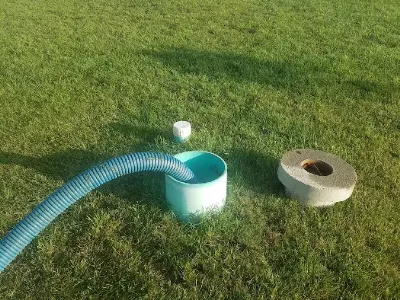
| Abandoning a tank | <cite index="8-6">When a septic tank is abandoned, the permitting authority must be notified and a septic system servicer must pump the tank.</cite> | deq.nd.gov |
| Pumping / maintenance | <cite index="2-2">DEQ guidance recommends inspecting every 3 years and pumping every 3-5 years for a typical household system.</cite> I found no statewide rule that makes a fixed pumping interval mandatory. | deq.nd.gov |
| Inspection at property sale | I found no official statewide requirement for a septic inspection at sale. <cite index="25-6">Fargo Cass Public Health does evaluate existing septic systems to see whether they meet code for potential property sales.</cite> <cite index="25-15">The tank must be pumped by a licensed pumper before that evaluation.</cite> | fargond.gov |
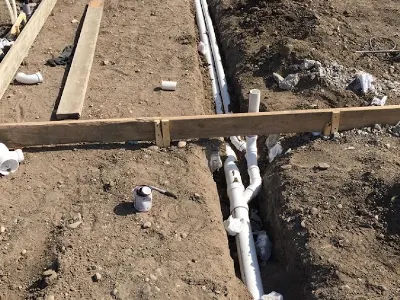
| Final inspection of new work | <cite index="32-7,32-8">In First District Health Unit counties, a final inspection must be scheduled before the new system is covered, and without it the system is considered unapproved and illegal.</cite> Other health units may have different procedures. | fdhu.org |
| Penalties and appeals | <cite index="37-10">Violations of the new rules can bring civil penalties up to $12,500 per offense.</cite> <cite index="37-7">If a local government denies or revokes a permit, the owner can appeal directly to DEQ.</cite> | ndowra.org |
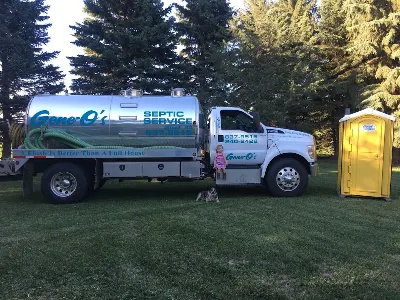
| Pumper permits | <cite index="2-6,2-8">Anyone in the business of pumping septic systems needs a DEQ septic pumper permit, and everyone at the company must pass an annual exam.</cite> Homeowners should hire only permitted pumpers. | deq.nd.gov |
| Septage from your own home | <cite index="6-3">Rural single-family residence owners who apply their own septage to their own property do not need a pumper permit, though general land application guidelines still apply.</cite> | deq.nd.gov |