Septic Tank Blog
Clear, practical answers to the questions homeowners ask most about septic tank pumping. When you need a professional, use the directory to compare the best-rated septic service companies near you.
 How Often to Pump a Septic Tank: Schedule by Household SizeMost septic tanks need pumping every 3 to 5 years, but household size and tank size change that schedule. Here is how to set a realistic interval for your home.Read the article →
 How to Tell if Your Septic Tank Is Full: 8 Warning SignsSlow drains, gurgling pipes, sewage smells and soggy patches over the tank are the most common signs a septic tank is full. Here is how to spot them and what to do next.Read the article →
 How to Find Your Septic Tank: 6 Ways to Locate It SafelyFinding a septic tank is easier than most homeowners expect. Start with paperwork and county records, then trace the sewer line and use careful probing. Avoid digging blind.Read the article →
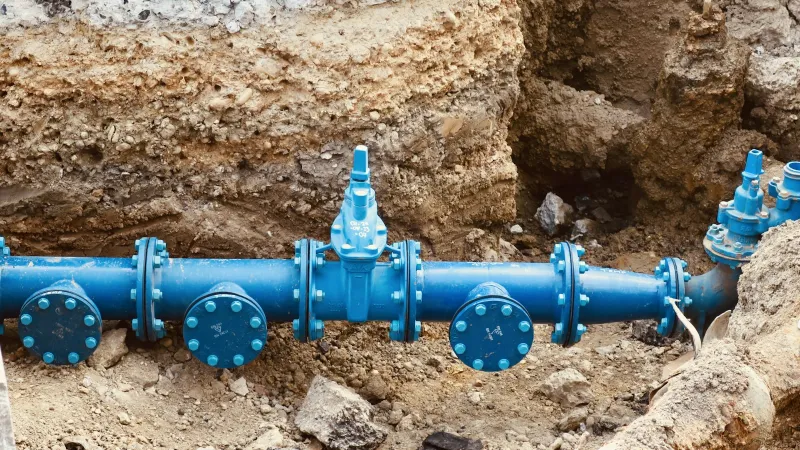 How Does a Septic Tank Work? A Simple Guide for HomeownersA septic tank holds wastewater long enough for solids to settle and bacteria to break them down, then sends the clearer liquid to a drain field. Here is how each step works.Read the article →
 How Long Does a Septic Tank Last? Lifespan by Tank TypeA septic tank can last up to about 30 years with proper care, but tank material and maintenance habits make a big difference. Here is how long each type typically lasts and what shortens or extends that life.Read the article →
 Septic Tank Size Chart: What Size Do You Need for Your Home?Most homes are sized by bedroom count, and a 1,000-gallon tank is a common match for a three-bedroom house. This guide shows how to read a septic tank size chart and when a larger tank makes sense.Read the article →
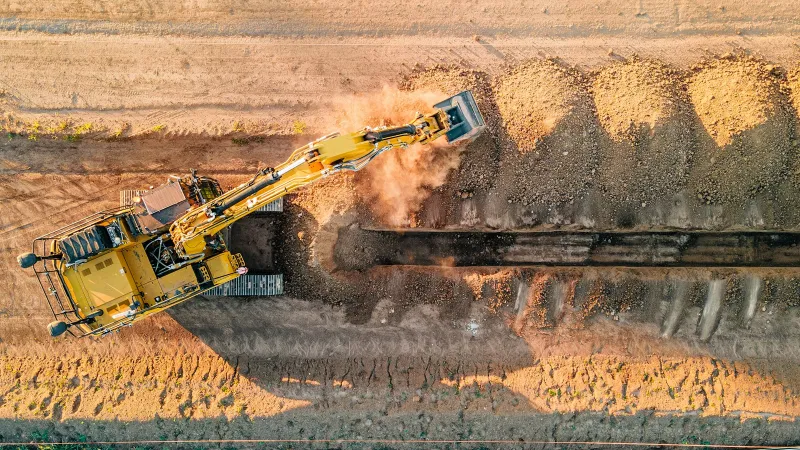 How Deep Is a Septic Tank Buried? Typical Depths ExplainedA septic tank is usually buried between 4 inches and 4 feet deep. Here is why depth varies, how it affects finding the lid, and when a riser makes sense.Read the article →
 Types of Septic Tanks and Systems: Which One Do You Have?Septic tank types vary in layout, cost and maintenance. This guide explains the common systems so you can work out which one serves your home.Read the article →
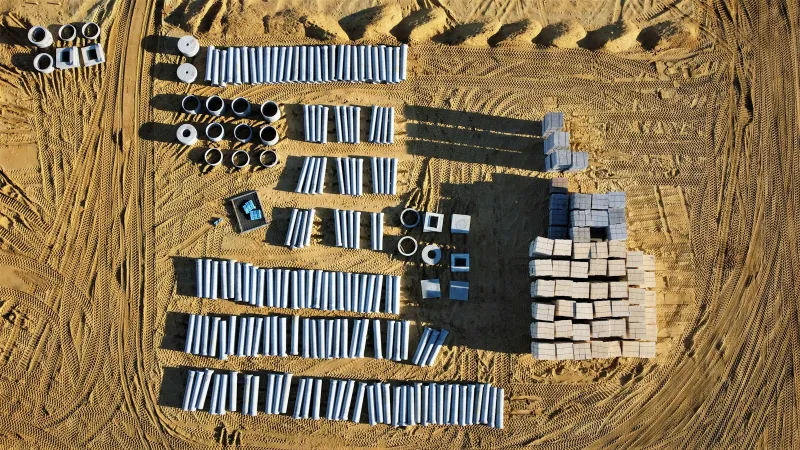 Plastic vs Concrete Septic Tanks: Pros, Cons and DurabilityConcrete tanks are heavy and strong but can crack; plastic tanks resist corrosion and are light but can float in high water. Here is how to weigh the two for your site.Read the article →
 Cesspool vs Septic Tank: Key Differences and Which Is BetterA cesspool simply collects and lets wastewater seep into the soil, while a septic tank separates solids and treats liquid before it reaches a drain field. Here is how they differ in design, treatment and legality.Read the article →
 Septic Tank vs Sewer: Pros, Cons and Costs ComparedSeptic tanks put maintenance and repair costs on you, while sewer systems shift those duties to the city. Here is how the two compare on cost, reliability and responsibility.Read the article →
 Septic System vs Holding Tank: What's the Difference?A holding tank stores wastewater until a truck pumps it away, while a septic system treats wastewater on site and disperses it into the soil. Here is how each works, when each is used, and what they cost.Read the article →
 How Do You Know if You Have a Septic Tank? 7 Ways to CheckMost homes in the US are on either a septic system or a municipal sewer. Here are seven quick checks, from your water bill to county records, to find out which one your house uses.Read the article →
 Best Toilet Paper for Septic Tanks: What to Look ForChoosing the right toilet paper protects your septic tank from clogs and early pump-outs. Here is how to judge any brand, test it at home, and spot the types to avoid.Read the article →
 Can You Have a Garbage Disposal With a Septic Tank?You can use a garbage disposal with a septic tank, but it adds solids that fill the tank faster. Here is how to manage pumping, food choices and daily habits.Read the article →
 Is Drano Safe for Septic Tanks? What to Use InsteadChemical drain cleaners like Drano are not septic-safe. Learn how they affect tank bacteria, what a single use really risks, and safer ways to clear a clog.Read the article →
 Do Septic Tank Enzymes and Additives Actually Work?Septic additives are sold as a shortcut to a healthy tank. Here is what the evidence shows, when they can cause harm, and the maintenance habits that actually matter.Read the article →
 Septic Tank Alarm Going Off: What It Means and What to DoA septic tank alarm going off usually means water is rising too high or a pump has stopped working. Learn the likely causes and what to do first.Read the article →
 Septic Tank Backing Up? Causes and What to Do Right AwayA septic tank backing up usually means the system cannot drain wastewater as fast as it receives it. Stop using water, keep people away from the area, and call a septic professional.Read the article →
 Clogged Septic Drain Field: Signs, Causes and FixesA clogged septic drain field often shows warning signs before it fails completely. Learn the symptoms, common causes and which repairs are possible for homeowners.Read the article →
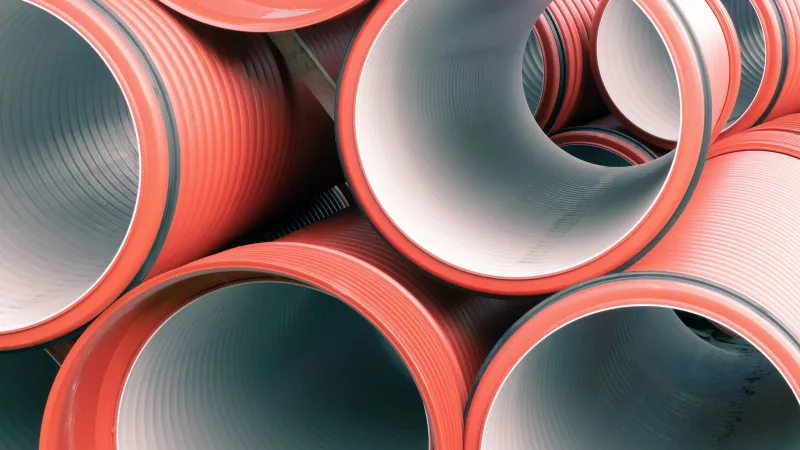 How Does a Septic Drain Field Work? Leach Field ExplainedA septic drain field, also called a leach field, is where wastewater from your septic tank soaks into the soil and gets cleaned before reaching groundwater.Read the article →
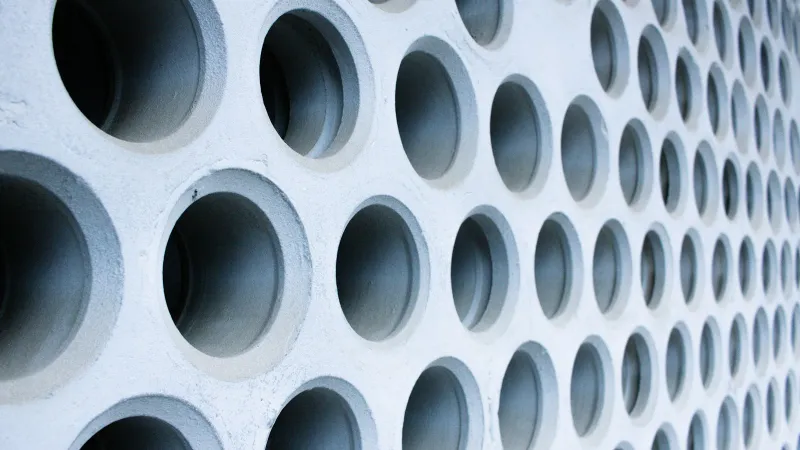 Septic Drain Field Domes and Chambers: What They AreSeptic chambers are plastic or composite arches that replace gravel trenches in a drain field. Here is how they work, how they compare, and what they cost.Read the article →
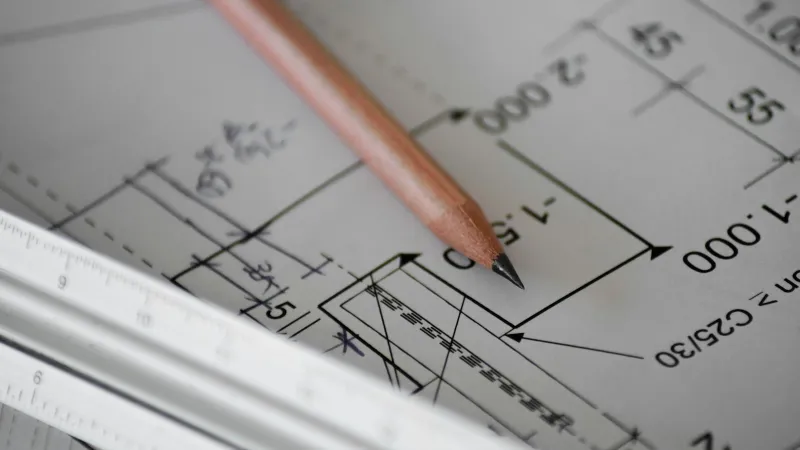 Septic Tank Diagram: Parts of a System Labeled and ExplainedA septic tank diagram shows how wastewater moves from your house into the tank and out to the drain field. Here is each part labeled and explained in plain terms.Read the article →
 Septic Tank Permit: When You Need One and How to Get ItMost new septic systems and major repairs need a permit before work starts. Here is how the process usually works, what paperwork to expect, and where to check your state's rules.Read the article →
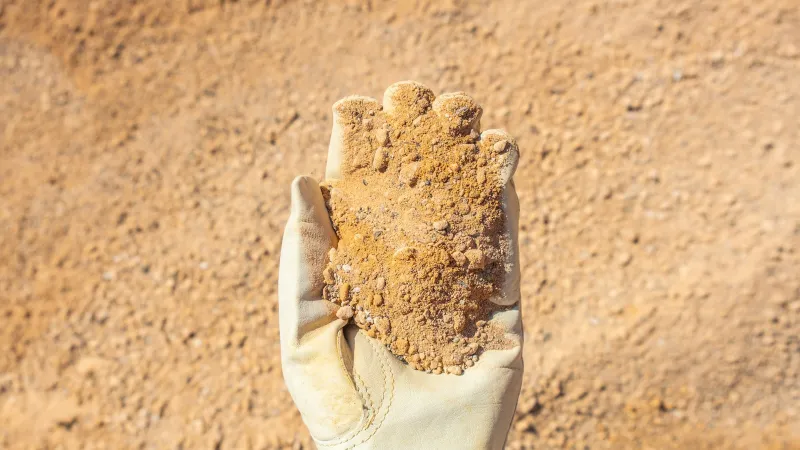 Perc Test for a Septic System: How It Works and What Results MeanA percolation test measures how fast soil drains water. Here is how the perc test works, what the results mean, and what to do if your soil fails.Read the article →
 Will a Septic Tank Freeze? How to Insulate and Protect ItA septic tank itself rarely freezes solid, but the lid, risers and pipes near the surface can. Here is how to insulate them and what to do if the system freezes.Read the article →
 Septic Tank Alternatives for Poor Soil and Small LotsPoor soil or a small lot can rule out a conventional septic tank. Here is how aerobic units, mound systems, sand filters and other options work, and when each one fits.Read the article →
 Septic Tank Smell: Causes, Fixes and When to WorryA septic smell can come from a dry drain trap, a blocked vent, or a tank that needs service. Here is how to tell the harmless causes from the serious ones.Read the article →
 Tree Roots in Septic Tank: Signs, Removal and PreventionTree roots are drawn to the water and nutrients in septic lines and can crack pipes and clog tanks. Here is how to spot them early, what removal options exist and how far to keep trees away.Read the article →
 How to Clean a Septic Tank Effluent Filter SafelyCleaning an effluent filter is a routine task that keeps solids out of your drainfield. Here is how to do it safely, how often, and when to call a pro.Read the article →