Septic Drain Field Domes and Chambers: What They Are
Updated November 17, 2026
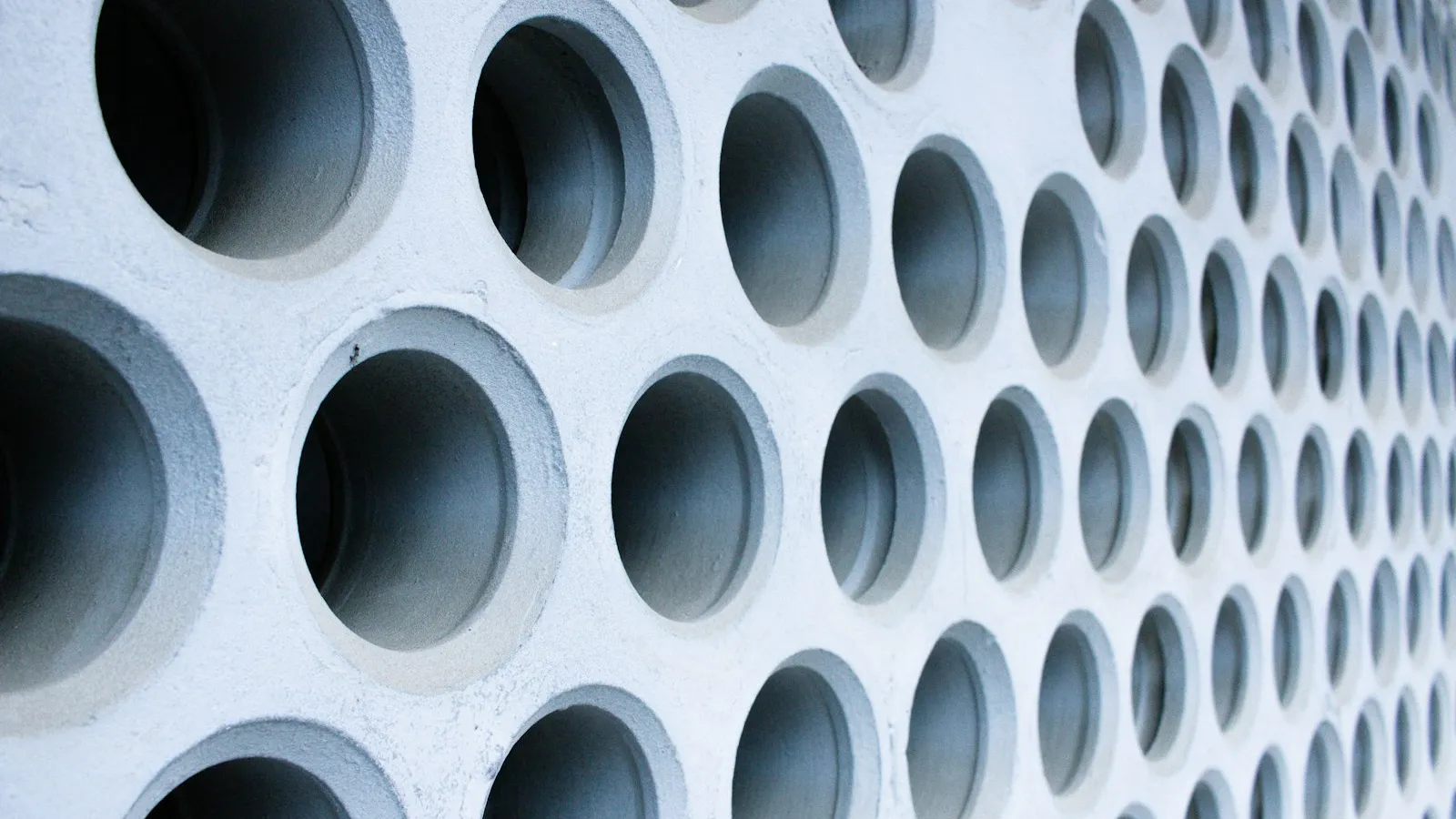
Septic drain field domes, also called chambers, are open-bottomed plastic or composite arches buried in the soil to create a space where wastewater can spread out and soak into the ground. They replace the traditional gravel-filled trench and do the same job: giving treated effluent from your septic tank a place to infiltrate and be filtered by the soil. Chamber systems are a common choice when a lot is tight, when gravel is expensive to haul in, or when a installer wants a faster, lighter-weight build.
If you have ever dug into your yard and found a field of stacked plastic arches, or you are planning a new system, this guide explains what those domes are, how they perform, and where they fit among other drain field options. Your drain field is only one part of the overall system, so it helps to understand the parts of a septic system before comparing options.
- Septic chambers are open-bottomed arches that replace gravel in a drain field and provide void space for effluent.
- Chamber systems often need less excavation and can be installed faster than gravel trenches.
- Typical national costs for a drain field project run about $3,000 to $15,000, with an average near $8,000.
- Rules differ by state, so check local permits and requirements before you build or replace a field.
- Never enter a septic tank or handle sewage without protection, and call a professional for inspections and repairs.
What Septic Chambers and Domes Are
A septic chamber is a prefabricated unit, usually made from high-strength plastic or polypropylene, shaped like a wide arch or dome with open ends and an open bottom. Stacked end to end in rows, the chambers form an underground tunnel-like space that holds wastewater as it leaves the tank. Because the bottom is open, the effluent can soak down into the native soil beneath the chamber rather than sitting in a closed container.
The phrase septic drain field domes is often used interchangeably with chamber system, and the term chambered septic drain field describes the same overall layout: a field built from these units instead of stone and pipe. Each chamber is lightweight enough that a crew can place it by hand or with light equipment, which is one reason many installers prefer them. Chambers are sold by several manufacturers in a range of sizes, and the right size depends on the design flow and soil conditions set during site evaluation.
Chambers do not filter wastewater on their own. Their job is to create open storage and distribution space so the effluent can spread and infiltrate, while the soil does the actual treatment.
How Chamber Systems Work
Treated liquid leaves the septic tank through an outlet and travels by gravity or a pump into a distribution network that feeds the chambers. The network spreads the flow across the field so no single area is overloaded. The liquid then fills the open space inside the chambers, slowly seeps through the bottom into the surrounding soil, and moves outward and downward, where the soil filters out remaining contaminants.
The chamber itself is usually wrapped in a fabric or surrounded by a thin layer of stone or sand depending on the design, and a cover of soil and topsoil sits above the arches. Good drainage matters a great deal here, because the soil must be able to take in the water at a steady rate. If the soil stays saturated, effluent will back up into the field instead of draining out.
Chamber fields are designed around the same principles as gravel systems, so the same warning signs apply if something goes wrong. Slow drains, soggy spots, or sewage odors above the field can mean the field is struggling. For a closer look at those symptoms, see this guide to clogged septic drain fields and how the field itself is supposed to work in a simple explanation of the leach field.
Compare the best-rated septic service companies near you, with reviews and services.
Chambers vs Gravel Trenches Compared
The traditional gravel trench uses crushed stone around perforated pipe, with the stone providing void space and the pipe distributing the effluent. The chamber approach replaces that stone and pipe with the arched units. Both are legal and widely used in the United States, and both rely on the same soil absorption process. The differences show up in materials, labor, and how the trench is built.
Chambers generally create more open volume per foot of trench than stone, and they require less excavation because the trench can be shallower and narrower in many layouts. Gravel trenches demand a large amount of stone to be trucked in and placed, which adds time and cost. Chambers can be lighter to move and faster to set, though they still need careful backfilling to avoid crushing the arches.
Neither system is automatically better. Your site, soil, local code, and the installer's experience all affect which design makes sense. Ask a licensed professional to explain how each option fits your lot before you decide.
- Chambers: prefabricated plastic arches, less stone, often faster installation.
- Gravel trenches: crushed stone and perforated pipe, familiar and widely accepted, more material to haul.
Pros and Cons of Chamber Systems
Chamber systems have several practical advantages that homeowners often notice. They reduce the amount of gravel that has to be delivered and disposed of, which can simplify access on a tight site. Their open design gives a lot of storage and infiltration area in a compact footprint, and many installers find them quicker to lay out and backfill than a long gravel trench.
There are trade-offs too. Chambers must be installed to the manufacturer's spacing and cover requirements, and they can be damaged by compaction or heavy loads if the design is not right. Some installations face questions about long-term performance under heavy use, so the quality of the design, the soil evaluation, and the installation crew matter as much as the product itself. Chambers also do not fix a poorly drained site; they work only as well as the soil beneath them.
- Advantages: less stone, compact footprint, usually quicker to install.
- Drawbacks: sensitive to poor installation, requires correct cover and spacing, and does not overcome bad soil.
Cost and Installation Differences
Costs depend on the site, the size of the field, the soil, and local labor rates, so the figures below should be read as rough national ranges rather than quotes. A drain field project typically runs about $3,000 to $15,000, with an average near $8,000 nationally. Chamber systems and gravel trenches both fall within that range, and the final price is shaped more by how much excavation and material the site needs than by the choice of chamber over gravel.
Installation timelines also vary. Chambers can shorten the time spent hauling stone and setting pipe, but permitting, perc testing, and final inspection still set the overall schedule. The full process from perc test to final inspection often takes about 4 to 16 weeks, depending on local approvals and weather. If you are comparing bids, make sure each quote lists the same design size, the same cover depth, and the same final inspection requirements so you are comparing equal work.
For broader context on what a drain field project covers, see our guide to drain field services and the septic tank installation cost guide.
How Long Septic Chambers Last
Plastic chambers are designed to last for many years when they are installed correctly and the system is maintained. A well-maintained septic system can last up to about 30 years, and the drain field is often one of the longest-lived parts when it is not overloaded. Lifespan depends heavily on how the household uses the system, how often the tank is pumped, and whether solids are kept out of the field.
Overloading the field with too much water, flushing non-biodegradable items, or driving over the field can shorten its life. Regular tank pumping keeps solids from reaching the chambers, and routine inspection catches problems early. Pumping is typically needed every 3 to 5 years for a standard household, and more often for heavy water use. Inspecting the tank is generally recommended every 1 to 3 years, following EPA guidance, and systems with mechanical parts should be checked annually.
Can You Drive or Build Over a Chamber Field?
In most cases you should not drive or build over a chamber field. Chambers are designed for soil loading and light foot traffic, not vehicle weight or the weight of structures. Compacting the soil above the field reduces its ability to take in water, and heavy loads can crack or collapse the arches. Keep vehicles, equipment, sheds, decks, patios, and paved surfaces off the field area, and avoid planting trees or large shrubs whose roots could reach the chambers.
Lawn grass is usually the best cover, since its roots help keep the soil open without damaging the field. Before any excavation or grading in the field area, check where the system is located, and ask a professional to mark the field. Local rules on setbacks and building over septic areas differ by state, so confirm what applies to your property on the relevant state septic laws and companies page. If you suspect the field has been damaged by vehicles or structures, call a licensed septic professional rather than digging into it yourself.
Frequently asked questions
How to install a septic chamber?
Chamber installation is a job for a licensed septic contractor. The process begins with a site and soil evaluation, followed by a design that sets the number of chambers, their spacing, and the trench layout. The crew then excavates to the approved depth, places the chambers and distribution piping, backfills with the specified cover, and schedules the required inspections. Permits and inspection steps are set by local and state rules, so the installer should handle them.
How long do septic chambers last?
Well-installed plastic chambers can last for decades when the septic system is maintained. A complete system may last up to about 30 years with proper care. Lifespan depends on regular tank pumping, avoiding excess water use, keeping solids out of the field, and keeping vehicles and structures off the field area. Problems often show up as slow drains or soggy ground above the field, so early inspection helps.
How much does it cost to replace field lines on a septic tank?
A drain field project, which includes replacing field lines or building a new field, typically runs about 3,000 to 15,000 dollars nationally, with an average near 8,000 dollars. The final price depends on the size of the field, the soil, access, and local labor rates. Get several written quotes that list the same design size and scope so you can compare them fairly.
Can a septic drain field be too deep?
A drain field can be placed too deep for the soil to work well, and it can also be too shallow to protect the chambers or pipe from freezing and surface loads. Most designs set a depth that balances soil absorption with protection. Depth requirements vary by climate, soil, and local code, so the design should come from a licensed professional who has evaluated your site.
 Clogged Septic Drain Field: Signs, Causes and Fixes
 How Does a Septic Drain Field Work? Leach Field Explained
 Septic Tank Diagram: Parts of a System Labeled and Explained