How Does a Septic Drain Field Work? Leach Field Explained
Updated November 17, 2026
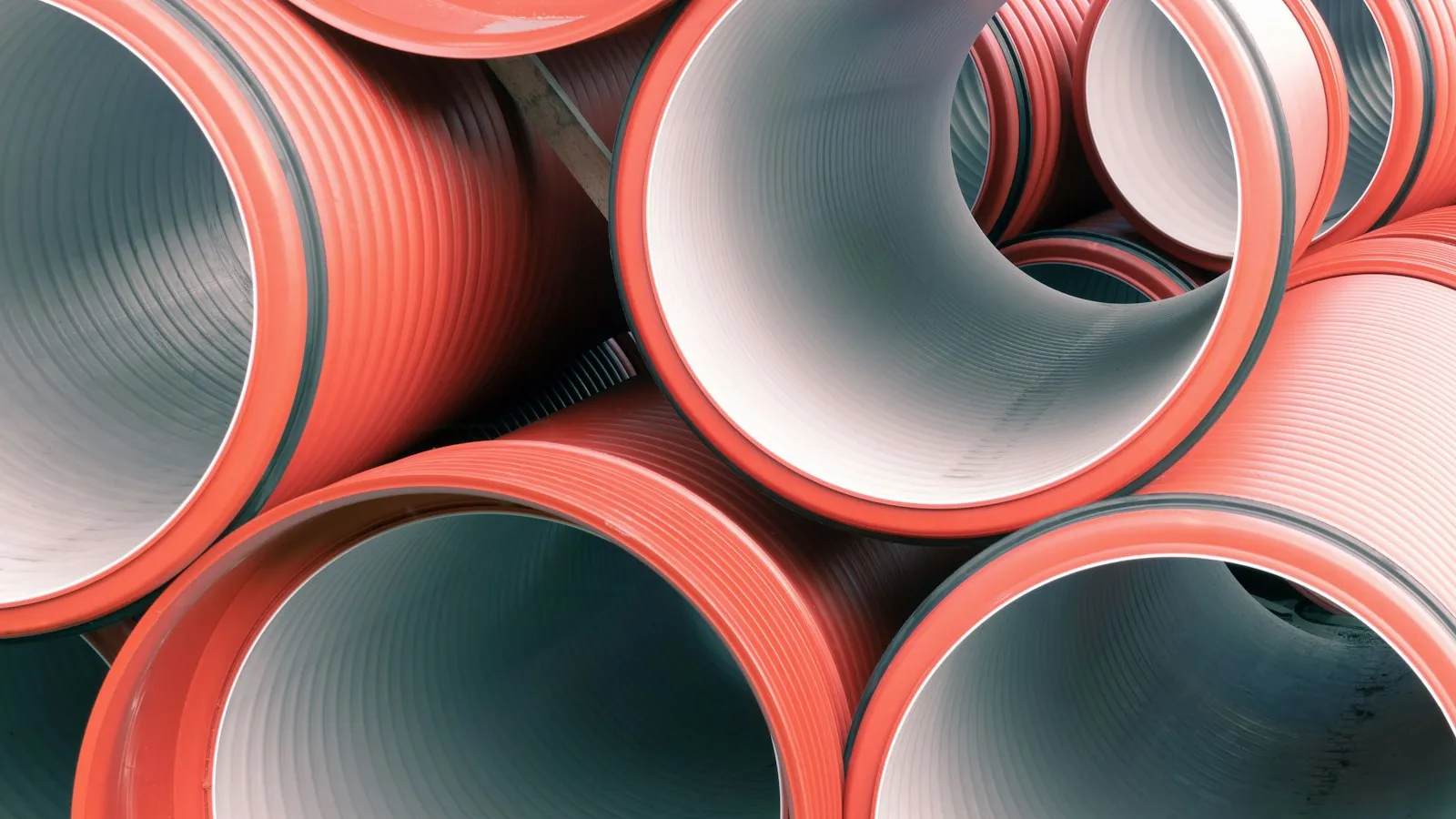
A septic drain field is an underground area where wastewater leaving your septic tank spreads out through gravel and perforated pipe and filters into the soil. The soil does the final cleaning, removing bacteria, nutrients and solids before the water reaches groundwater.
If you own a home with a septic system, the drain field is the part you cannot see but cannot afford to ignore. Many homeowners use the terms septic tank and leach field, septic tank and drainfield, and septic and drain field to mean the same system, so it helps to understand how the two parts work together. The tank separates solids from liquids, and the drain field handles the liquid that comes out. This guide explains how that process works, why the field is so important, and what affects how long it lasts.
- The drain field, or leach field, is where septic effluent filters through soil and is treated.
- Wastewater flows from the tank outlet through a distribution box into perforated pipe in gravel-filled trenches.
- Soil removes bacteria and nutrients, which is why the field is the most critical part of the system.
- A well-maintained drain field can last many years, and replacement commonly runs about $3,000 to $15,000 nationally.
- Local rules on design and permits vary by state, so check your state's requirements.
What a Drain Field Is
A drain field is a buried network of trenches or beds that receives the liquid, called effluent, from your septic tank. It is usually in the yard, often downhill or to the side of the house, and it is sized to match how much wastewater your household produces each day and how well your soil absorbs water.
People often call it a leach field, a drainfield, or simply the field. These are different words for the same part of the system. A typical drain field is made of gravel or a plastic alternative, perforated pipes, and the native soil underneath and around it. Nothing is stored there. Its job is to let the water move out slowly and be absorbed.
Because it is underground and rarely visible, many homeowners do not know where their drain field is until there is a problem. Your septic system records or the permit file for your property often show its location and size. If you cannot find them, a licensed septic service can help you map it before you dig or build anything over it.
From Tank Outlet to Distribution Box
The process starts in the septic tank. Wastewater enters the tank, solids settle to the bottom as sludge, grease and light materials float to the top as scum, and the middle layer of partly clear liquid moves out through an outlet pipe. Only this liquid, not the solids, is sent toward the drain field.
From the tank outlet, the effluent travels through a pipe to a distribution box in many systems. The distribution box is a small concrete or plastic box that splits the flow evenly among the separate trenches. Without it, one trench could get most of the water and be overloaded while others stay dry. Some systems skip the box and use a series of connected pipes or a pressure dosing arrangement instead, but the goal is the same: even distribution.
Keep an eye on the tank outlet and the distribution box area during routine checks. If the tank needs attention, the reason is usually a buildup of solids, and a schedule for how often to pump a septic tank helps prevent solids from reaching the field.
Compare the best-rated septic service companies near you, with reviews and services.
How Perforated Pipes and Gravel Spread Effluent
Inside each trench, the effluent flows through perforated pipe, which is plastic pipe with small holes along its length. The pipe sits on a bed of clean gravel or an approved lightweight alternative. The gravel holds the pipe in place and gives the water room to spread sideways and downward instead of pooling in one spot.
The holes let the liquid seep out into the gravel, which then carries it across the bottom and sides of the trench. The gravel layer is usually covered with a barrier, such as untreated fabric or straw, so that soil does not wash into the stone and clog it. Topsoil is placed on top to finish the trench.
Because the water is spread over a wide area of soil, the system can absorb a steady daily load. Trenches are laid out to be level along their length so that water moves slowly across the whole bed rather than rushing to one end.
- Perforated pipe releases effluent evenly into the gravel bed.
- Gravel or approved alternative media spreads the water and keeps the pipe in place.
- A barrier layer keeps fine soil from clogging the stone.
- Topsoil covers the trench so grass can grow over the field.
How Soil Filters and Treats Wastewater
The most important treatment happens after the water leaves the gravel. As effluent moves down and out through the soil, the soil acts as a natural filter. Fine particles are trapped in the pores, and microorganisms living in the soil consume bacteria, viruses, organic matter and nutrients such as nitrogen and phosphorus.
Soil treatment works best when the water moves through unsaturated soil, meaning soil with air in its pores. Aerobic microbes that need oxygen do much of the cleaning, and the slow, even movement of water gives them time to work. When soil stays waterlogged, the process slows and the field can fail.
Soil type matters a great deal. Sandy soils drain quickly but may not hold contaminants long enough, while heavy clay drains too slowly. Soil with a good balance of texture and enough depth above the water table usually performs well. For this reason, design and approval for a new field usually depend on a site evaluation such as a perc test for a septic system, which measures how fast water moves through the soil.
Why the Drain Field Is the Most Critical Part
Many homeowners think of the septic tank as the heart of the system, but the drain field is what makes the whole arrangement safe. The tank only separates solids and begins breaking them down. It does not disinfect the water or remove nutrients. If the drain field cannot absorb and treat the effluent, the system fails no matter how well the tank is working.
When a field becomes saturated or clogged, wastewater can back up into the house, pool on the ground, or run toward the surface. That creates health hazards and can contaminate groundwater and nearby wells. Replacing a failed field is often far more expensive than routine care, which is one reason to take early warning signs seriously.
A practical way to protect the field is to limit what goes into the system. Avoid pouring chemicals, grease or large amounts of water into the drain, spread laundry over several days, and keep vehicles and heavy loads off the field. Plant only grass over the trenches, since roots from trees and shrubs can damage pipes.
How Long a Drain Field Typically Lasts
A drain field does not have a fixed expiration date, but a well-maintained septic system can last up to about 30 years. How long your field lasts depends on the soil, how much water the household uses, how often the tank is pumped, and whether anything harmful has entered the system.
Fields often fail gradually. The soil surface can become clogged with a biological layer over time, and that layer is normal to some degree, but when too much solid material escapes the tank, the pores fill and water rises to the surface. Heavy use, flooding, compacted soil and roots can speed up the decline.
If the field does fail, replacement is the usual fix. Nationally, a drain field project typically ranges from about $3,000 to $15,000, with an average around $8,000. Costs depend on the size of the new field, soil conditions and local requirements, so get a written estimate from a licensed professional before deciding.
Typical Trench Depth and Field Size
Drain field trenches are usually shallow, commonly around 18 to 36 inches deep, with the gravel and pipe placed in the upper part of the soil where oxygen and microbes are most active. The exact depth and length depend on the design, the soil and the number of bedrooms or daily flow the system must handle.
Field size is set by how much wastewater the home produces and how quickly the soil can absorb it. Larger households and homes with heavy water use need more absorption area. Poor-draining soil also requires a larger field or an alternative design. Because these numbers vary widely, the size of your field should come from your permit or a site evaluation rather than a general rule.
Local health departments and state agencies set the design standards, including minimum trench depth, separation from wells and water lines, and setbacks from buildings. Requirements differ from state to state, so check the rules for your location through the state septic laws and companies directory before planning any work.
Frequently asked questions
What is the purpose of a septic drain field?
The purpose of a septic drain field is to take the liquid that leaves the septic tank and let it soak slowly into the soil. As the water moves through gravel and then soil, the soil filters out solids and microorganisms break down bacteria and nutrients. This treatment protects groundwater and nearby wells. Without a working drain field, the tank has nowhere to send its effluent, and the system will back up into the home or the yard.
How often should a septic tank with leach field be pumped?
Most households should pump a septic tank every 3 to 5 years, according to EPA guidance. Larger families or homes with heavy water use may need pumping every 2 to 3 years. A 1,000-gallon tank for a family of four often needs pumping about every 3 years. Nationally, septic tank pumping typically costs about $290 to $565, with an average around $430. Your schedule should be based on your household size, tank size and any inspection findings.
Can you put gravel over a septic drain field?
You should not put gravel over a septic drain field as a cover. The gravel layer inside the trench is part of the design, but adding loose gravel or stone on top of the field can block airflow and make it harder for the soil to work. Topsoil and grass are the usual cover. If you want to change the surface, check with a licensed septic professional first, since the wrong material or heavy fill can damage the field.
How to tell if your drainfield is bad?
Warning signs of a failing drain field include slow drains throughout the house, sewage odors in the yard, soggy or unusually green patches over the trenches, and gurgling pipes. Wastewater backing up into fixtures is a serious sign. If you notice these problems, stop adding unnecessary water, avoid the area, and call a licensed septic service for an inspection. Do not dig into the field or handle effluent yourself, since it carries health risks.
 Septic Drain Field Domes and Chambers: What They Are
 Clogged Septic Drain Field: Signs, Causes and Fixes
 How Does a Septic Tank Work? A Simple Guide for Homeowners