Perc Test for a Septic System: How It Works and What Results Mean
Updated November 17, 2026
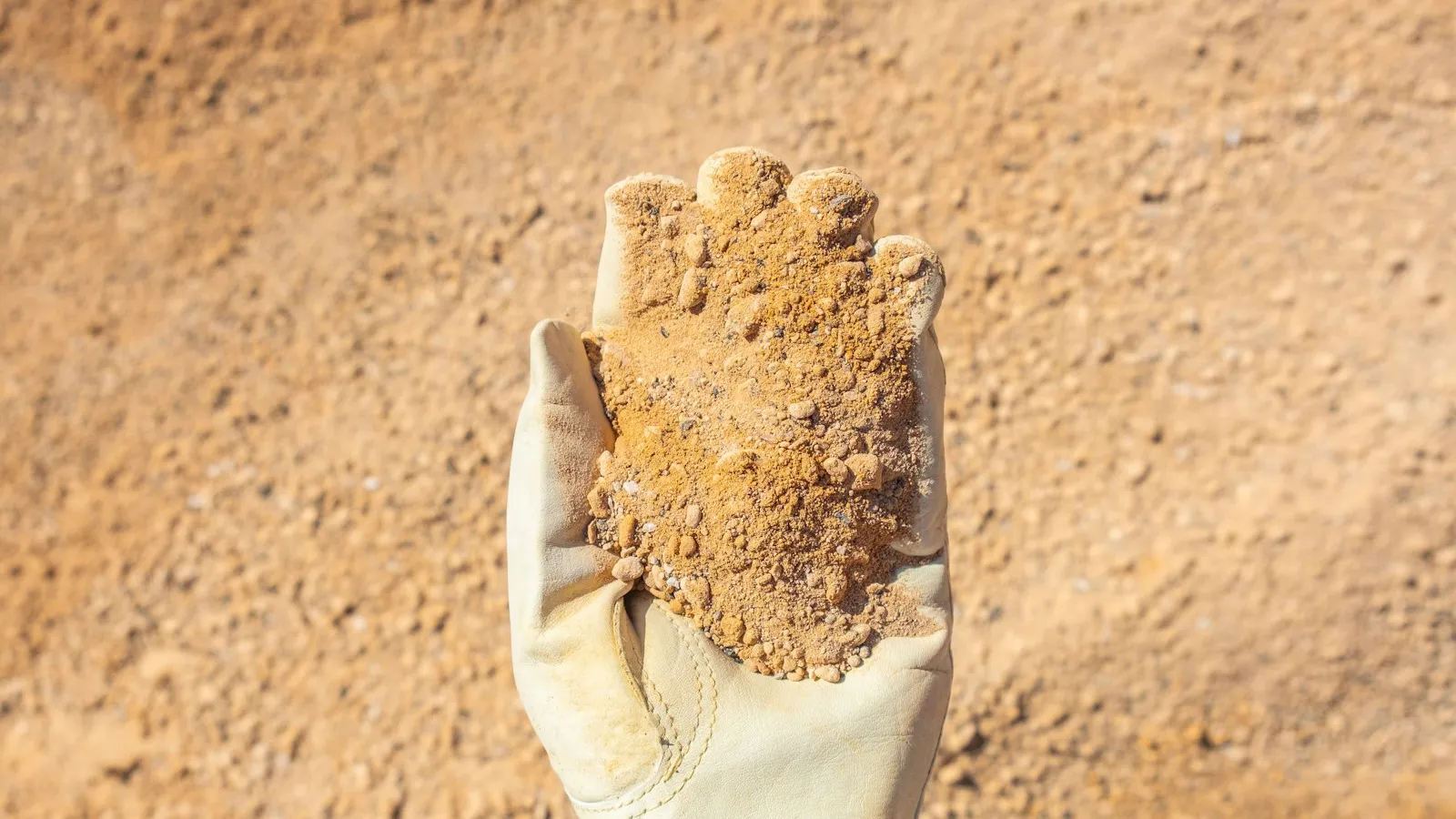
A percolation test, often called a perc test, measures how quickly water soaks into the soil on a piece of land. Local health or permitting officials use the result to decide whether the ground can safely absorb the liquid from a septic tank and whether a conventional drain field will work there.
If you are buying land or planning to build, a perc test is usually one of the first checks you will face. Knowing what the test measures, how it is run and what the numbers mean can help you plan a realistic budget and avoid surprises during construction.
Requirements differ from state to state and even between counties, so treat this guide as general background. Check your local rules before you schedule any work, and use the state pages on our site for a starting point.
- A perc test measures how fast water drains through soil, usually as minutes per inch.
- Most jurisdictions require a passing perc test before a septic system can be permitted.
- Testing is best done in a wet season and after you mark the planned drain field area.
- A failed test does not always end the project; alternative systems exist.
- Typical national costs for a septic installation are about $3,500 to $12,000.
What a Percolation Test Measures
The percolation test measures the rate at which water moves downward through the soil in the zone where a drain field would sit. The result is expressed as the time it takes for the water level in a test hole to drop by a set amount, most often minutes per inch. A faster drop means the soil drains quickly; a slow drop means water stays near the surface longer.
This matters because a septic drain field depends on the soil to absorb and treat the liquid that leaves the tank. If the soil drains too slowly, effluent can back up toward the surface and the system will fail. If it drains extremely fast, the water may not be filtered properly before it reaches groundwater.
A perc test does not measure the full suitability of a site. Soil type, depth to groundwater, slope and the presence of bedrock also affect whether a septic system will work, and these are often checked separately.
Why a Perc Test Is Required Before Installing a Septic System
Before a new septic system can be installed, most local authorities want proof that the land can handle the wastewater. The perc test provides that evidence. Without it, a permit to install a system is usually not issued, and the design of the drain field cannot be finalized.
For buyers, the test often appears during due diligence. A lot that has never been tested may need a perc test before you can be confident of building a home with a septic system. For builders, the test helps size the drain field correctly so the system meets the design flow for the planned house.
Because requirements are set by states and local health departments, the exact timing, number of test holes and acceptance criteria can differ. Look up your state's rules on our state-by-state guide to septic laws and companies before you commit to a purchase.
Compare the best-rated septic service companies near you, with reviews and services.
How a Percolation Test Is Done, Step by Step
A percolation test is usually carried out by a trained professional who digs or bores several test holes in the proposed drain field area. The exact method varies by jurisdiction, but the general steps are similar across most places.
First, the tester locates the planned drain field and chooses test hole locations that represent the soil in that area. Holes are typically dug to the depth of the proposed drain field trench, often somewhere around 18 to 36 inches.
Next, the holes are prepared by scratching the sides and removing loose material, so the soil is not smeared or sealed by the digging tool. The holes are then pre-soaked by filling them with water and letting it drain, sometimes overnight, to bring the soil close to its wet condition.
On the test day, the hole is refilled to a set level and the drop in water level is measured over time. The tester records how many minutes it takes for the water to fall by one inch, and repeats the measurement until the readings are consistent.
Finally, the results from all holes are averaged or evaluated against the local standard, and a written report is prepared for the permitting office.
Who Can Perform a Perc Test
In most areas, a perc test must be run by a qualified person, which can include a licensed soil evaluator, a licensed septic installer, an engineer or a sanitarian working for the local health department. The rules about who is allowed to perform and certify the test are set at the state or county level.
Homeowners sometimes ask whether they can dig the test holes themselves. In many places this is not accepted for permit purposes, and the official observer or evaluator must be present or must certify the results. Digging deep test holes also carries real safety risks, including cave-ins and contact with contaminated soil, so this is a job for professionals.
When you call a provider, ask whether they are familiar with the local permitting process, how many holes they will dig, and who will sign the report. Find a qualified septic service company near you through our home search tool.
Understanding Results: Passing vs. Failing a Perc Test
A passing result means the soil drains within the range the local authority considers acceptable for a conventional drain field. The specific limits vary, but very slow drainage and very fast drainage are both typically treated as problems. Many places set a range in minutes per inch, and results outside that range may need a different design.
A test that falls outside the accepted range is not always a final answer. Results can be affected by weather, the timing of the pre-soak, and how the holes were prepared. Some jurisdictions allow a retest, especially if the first attempt was run in dry conditions or under unusual circumstances.
If the test passes, the next step is usually a formal drain field design sized to the soil results and the number of bedrooms or daily water use of the home. If it fails, a licensed designer may recommend an alternative system, adjusted drain field size, or other measures, depending on local rules.
- Passing: the soil is within the accepted drainage range and a standard system may be permitted.
- Failing: the soil drains too slowly or too quickly for a conventional field.
- Inconclusive: conditions were unusual, and a retest may be allowed.
What to Do If Your Soil Fails
A failed perc test can feel like a dead end, but there are usually options. A common first step is to ask a licensed designer whether a larger drain field, a different layout or a shallower trench could meet the requirements. In some cases, the soil can be improved or the drain field placed in a better-draining area of the lot.
Other options include alternative systems designed for poor soils or small lots, such as aerobic treatment units, mound systems or sand filters. These systems usually cost more than a conventional installation. Typical national ranges are about $10,000 to $20,000 for an aerobic septic system and about $3,000 to $15,000 for a drain field, but prices depend heavily on site conditions and local requirements.
If the land cannot support any on-site system, you may need to connect to a municipal sewer or reconsider the purchase. You can read more about options in our guide to septic tank alternatives for poor soil and small lots.
Best Timing and Prep: Schedule the Test in a Wet Season and Mark Your Planned Drain Field Area
Timing matters. Perc tests are often most representative when the soil is in its wet season, because that is when the ground is most saturated and drainage is most limited. Testing during a long dry spell may produce results that look better than the soil will perform year-round, which can lead to a system that struggles later.
Preparation also helps. Before the tester arrives, mark the area where you plan to put the drain field, clear away debris, and make sure the area is accessible. If you know where the septic tank will be, note that location as well, since it will influence the layout of the field.
Ask the tester whether the site has been checked for underground utilities, and confirm that you have the necessary permits or access rights. Keep in mind that some work on the property may need to be coordinated with the local health department, so check your septic tank permit requirements early in the process.
Frequently asked questions
How is a percolation test done?
A qualified professional digs or bores several test holes in the planned drain field area, typically to the depth of the proposed trench. The holes are scratched, pre-soaked and then refilled with water. The time it takes for the water level to drop by one inch is measured and recorded, and the readings are compared to the local standard. Results are written up in a report for the permitting office.
How much does a perc test cost?
Costs for a perc test are not included in the national price ranges we track, because those are based on septic work such as installation, pumping and repair. Fees vary by county, the number of holes and the evaluator. Ask two or three qualified providers for quotes and confirm what the price includes, such as the report and any retest.
How long does a perc test take?
The field work itself often takes a day or two, including the pre-soak period. The full process, from scheduling through the report and permit review, can take several weeks. A complete septic project, from perc test to final inspection, typically runs about 4 to 16 weeks, though timelines depend on local approvals.
What are the alternatives if the land fails a perc test?
Options can include a larger or redesigned drain field, a shallower trench, an aerobic treatment unit, a mound system, a sand filter or, where available, a connection to municipal sewer. Typical national costs range from about $10,000 to $20,000 for an aerobic system and about $3,000 to $15,000 for a drain field. A licensed designer can tell you which options your local rules allow.
 Septic System vs Holding Tank: What's the Difference?
 Will a Septic Tank Freeze? How to Insulate and Protect It
 Septic Tank Alternatives for Poor Soil and Small Lots