Septic Tank Permit: When You Need One and How to Get It
Updated November 17, 2026

In most cases you need a septic tank permit before you install a new system, replace an old one, or make certain major changes to an existing one. The permit is the local or state approval that confirms your site, design and installer meet the rules for protecting groundwater and public health.
This guide walks through when a permit is usually required, who issues it, the typical steps, the soil testing and paperwork involved, and when inspections happen. Rules differ from state to state and sometimes county to county, so treat this as a general overview and confirm the details with your local agency.
- Installing, replacing or substantially altering a septic system usually requires a permit before work begins.
- Permits come from a county health department or a state environmental agency, depending on where you live.
- A soil test or site evaluation is typically the first technical step and shapes the system design.
- Expect plan review, fees, and inspections during and after installation.
- Check your state page for the exact rules, fees and who is allowed to do the work.
Do You Need a Septic Permit? When Approval Is Required
Permits are most often required when a septic system is new, when an existing system is being replaced, or when a system is being expanded or significantly modified. Adding bedrooms or plumbing fixtures that increase wastewater flow can also trigger a review, because the system has to be sized for the load it will carry.
Routine maintenance such as pumping the tank, cleaning the effluent filter or making a minor repair usually does not need a new permit. Some jurisdictions still require a record or a licensed contractor's report for repairs, so it is worth asking before you start.
Because the requirements depend heavily on the state and county, the safest first step is to call your local health department or check your state's guidance. You can review the rules for your area on our state-by-state guide to septic laws and companies.
- New septic system installation
- Full replacement of a failing system
- Major expansion or added bedrooms
- Relocating the tank or drain field
- Repairs that change the system's design
Who Issues Septic Permits (Health Department vs. State Agency)
In many states the county or local health department issues septic permits and handles the plan review and inspections. In other states a state agency, such as an environmental or water quality department, sets the standards and may issue the permit directly or oversee local offices that do.
The practical difference is simple: you need to know which office handles your property. Your county health department website or the state environmental agency website will tell you, and the staff there can confirm which forms and fees apply.
Some areas have their own additional requirements, such as setbacks from wells, streams or property lines. Those local rules are often stricter than the general state standard, so ask about them early.
Compare the best-rated septic service companies near you, with reviews and services.
Step-by-Step: How to Get a Septic Permit
The process usually begins with contacting the permitting office to confirm the requirements and request an application. Many agencies ask for a site plan showing the house, the proposed tank and drain field locations, property lines and any wells or water bodies nearby.
Next comes the site evaluation, which often includes soil testing. Once the agency reviews the site information, it approves a system design or asks for changes. After approval, the permit is issued, the installation can begin, and inspections are scheduled at key stages.
A typical sequence looks like this:
Contact the local or state permitting office and ask what they require.
Get a site evaluation and soil test completed on your property.
Submit the application, site plan and system design for review.
Pay the permit fee and receive approval.
Install the system and schedule inspections before covering any part of it.
Obtain final approval once the inspector signs off.
Timelines vary, but the full process from site testing to final inspection often takes about 4 to 16 weeks depending on the weather, the agency's workload and how quickly paperwork is completed.
Soil Testing and Site Evaluation Requirements
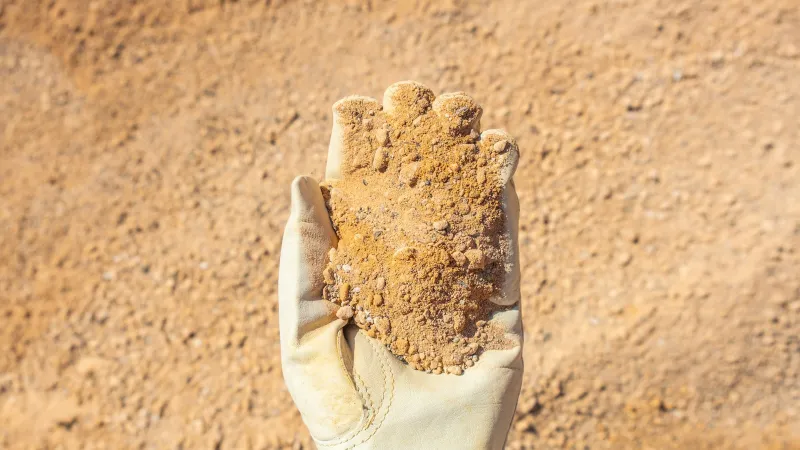
A soil test, often called a perc test or percolation test, measures how quickly water drains through the soil at the depth where the drain field would sit. The result helps determine whether the site can handle a conventional system or whether an alternative design is needed. Soil and site evaluation are usually the first technical step in the permit process.
The evaluator also looks at the depth to groundwater or bedrock, slope, drainage, and the presence of nearby wells or water features. Poor soil, a high water table or a small lot can mean a different system type is required, which can affect cost and timing.
Because soil conditions vary even within a single property, the test is usually done by a qualified evaluator and recorded in a report that goes with your application. For background on what the test measures, see our guide to the perc test for a septic system.
Paperwork and Fees to Expect
Expect to submit an application form, a site plan, the soil test or evaluation report, and the proposed system design. Some agencies also ask for proof of property ownership and the contact details of the licensed installer. Fees vary widely by location, so confirm the amount with your permitting office before you apply.
For budgeting, keep in mind that the permit fee is only one part of the total. The installation itself is usually the largest expense. Typical national ranges for septic tank installation are $3,500 to $12,000, with an average near $7,500. A full replacement of an existing system typically falls around $3,000 to $10,000, averaging about $6,500.
Keep copies of every document you submit and the approval you receive. You will likely need them when you sell the home or when a future repair is planned.
Inspections During and After Installation
Inspections are a standard part of the permit process and are usually required before the system is covered with soil. An inspector checks the tank placement, the piping, the drain field layout and the materials against the approved design. Covering the system before inspection can mean uncovering it at your own expense, so schedule inspections as the permit requires.
After installation, many jurisdictions also require a final inspection and a written approval before the system is put into full use. Some areas also require inspections when a property is sold, so it helps to keep your permit and final approval records in a safe place.
Inspection costs are usually part of the overall project, and a separate septic inspection for a home sale or routine check typically runs about $200 to $900, with an average near $550. You can learn more in our septic tank inspection guide.
Can You Install Your Own Septic System? DIY Rules and Licensing
Whether a homeowner can install their own septic system depends on the state and county. Some areas allow owner installation of certain systems on a primary residence, while others require a licensed installer for all work. Even where owner installation is permitted, the design, soil testing and inspections still apply, and the work must meet the same standards.
Septic installation involves heavy equipment, excavation, and handling of sewage and components that can cause serious injury or contamination if done incorrectly. Do not enter a tank, open a sealed lid, or handle sewage without proper protection, and never attempt work on a live system without guidance. For most homeowners, the safer and often required path is a licensed professional.
Before you start any work, confirm the licensing rules with your local permitting office, and check your state's page on our state septic laws and companies directory. If you are looking for help near you, you can find a septic service company near you to get a quote and confirm they handle the permit process.
Frequently asked questions
Are you allowed to install your own septic tank?
It depends on your state and county. Some areas allow homeowners to install certain systems on their own primary residence, while others require a licensed installer for all work. Even where owner installation is allowed, you still need a permit, a soil evaluation, an approved design and inspections. Check with your local health department or your state's septic page before you start, because the rules are not the same everywhere.
Do you need a license to install septic tanks?
Many states require a licensed installer for septic system work, though the license types and requirements vary. Some states license installers only, while others also license designers, pumpers or inspectors. Ask your permitting office which licenses apply in your area and verify any contractor's credentials with the state before hiring them.
How much does it cost to get a septic tank certified?
Certification and inspection costs depend on your location and the type of review. A septic inspection typically runs about $200 to $900 nationally, averaging around $550. The total cost of getting a new system approved also includes the permit fee, the soil test and the installation itself, which typically ranges from $3,500 to $12,000. Ask your local agency and installer for exact figures.
What size septic tank do I need for a 5-bedroom house?
Tank size is set by the local or state design standard, which usually considers the number of bedrooms, the expected daily wastewater flow and soil conditions. A larger home generally needs a larger tank and drain field. Because the calculation is specific to your property, your permit design and soil evaluation will determine the correct size, and your installer or the permitting office can confirm it.
 Perc Test for a Septic System: How It Works and What Results Mean
 Will a Septic Tank Freeze? How to Insulate and Protect It
 Septic Tank Alternatives for Poor Soil and Small Lots