How Does a Septic Tank Work? A Simple Guide for Homeowners
Updated November 17, 2026
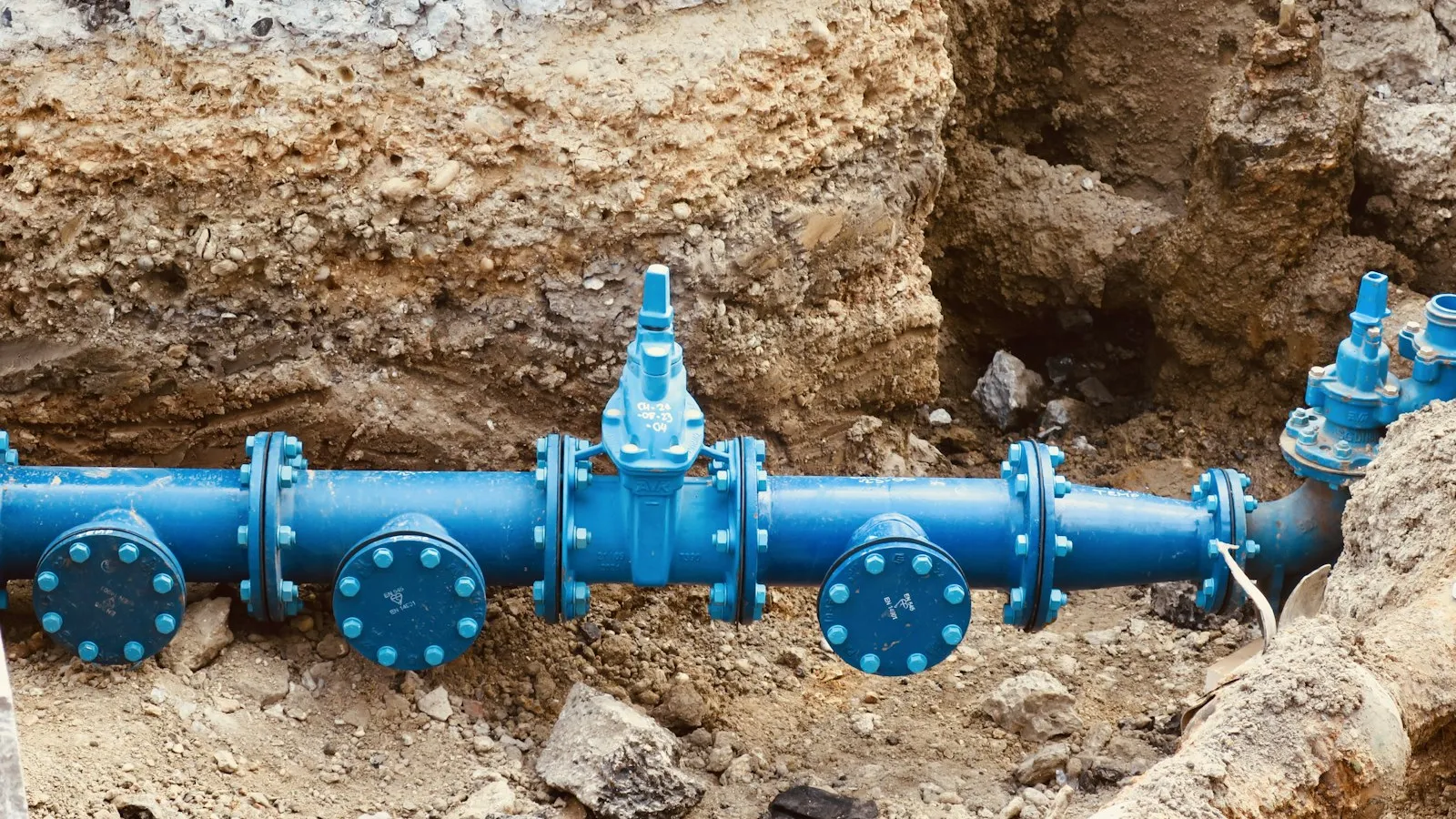
A septic tank is a buried, watertight container that receives all the wastewater from your house, separates solids from liquids, and lets bacteria begin breaking down the waste before the remaining liquid flows into the soil. In short, the tank holds wastewater long enough to settle and treat it, and the drain field finishes the job by filtering it through the ground.
If your home is not connected to a city sewer, this system is probably your entire plumbing exit. Understanding the path from your sink to the soil helps you know what to avoid flushing, when to schedule service, and why some habits shorten the life of the system. This guide walks through each stage in plain language.
- Wastewater from the whole house flows by gravity into the septic tank.
- Solids sink to the bottom as sludge, grease floats to the top as scum, and clearer liquid sits in the middle.
- Bacteria in the tank break down organic waste, but they cannot break down everything.
- Effluent leaves the tank and is spread through the drain field to be filtered by soil.
- Pumping every 3 to 5 years is typical, and national pumping costs usually fall between $290 and $565.
What a Septic System Is Made Of
Most septic systems have three main parts: the pipes that carry wastewater out of the house, the septic tank itself, and the drain field, sometimes called a leach field. Some systems also include a distribution box that splits the flow evenly among the drain field lines, and a effluent filter on the tank outlet that catches small solids before they can reach the field.
The tank is usually made of concrete, plastic or fiberglass, and it is buried in the yard, often within a few feet of the surface. A lid or access riser lets service workers reach inside for pumping and inspection. The drain field is a network of perforated pipes laid in gravel-filled trenches or chambers beneath the soil surface.
Understanding these parts makes it easier to follow the rest of the process, and it helps you locate and describe your system if you need service.
Step 1: Wastewater Leaves the House
Every drain in your home that uses water, including toilets, showers, bathtubs, sinks, dishwashers and washing machines, connects to a main sewer line. That line runs out of the house and slopes downhill toward the septic tank. Because the system relies on gravity, the pipe must keep a steady downward slope so wastewater moves without pumps in most setups.
Water from the house enters the tank through an inlet pipe, usually at one end. The inlet is designed to direct incoming flow gently so it does not stir up the material already settling inside. This is one reason sudden large volumes of water, such as several loads of laundry at once, can push partly treated material toward the outlet if the tank is nearly full.
Compare the best-rated septic service companies near you, with reviews and services.
Step 2: Solids and Liquids Separate Inside the Tank
Once wastewater enters the tank, it slows down, and the heavier and lighter materials begin to separate into layers. This is the core job of the tank: it gives the waste time to settle and float before anything leaves. Heavy solids sink to the bottom and form a layer called sludge. Lighter materials such as grease, soap residue and some fats rise and form a crust called scum. The middle layer is mostly liquid and is called effluent.
The effluent layer is the only part that exits the tank. A baffle or outlet tee at the outlet keeps scum and sludge from flowing out with it. As the years pass, sludge and scum gradually build up, which reduces the space available for separation. That is why a full tank can send solids into the drain field, which is one of the main reasons tanks must be pumped on a schedule.
- Sludge: heavy solids that settle at the bottom
- Scum: fats, oils and light materials that float on top
- Effluent: the middle liquid that leaves the tank
Step 3: Bacteria Break Down Waste
Inside a septic tank, naturally occurring bacteria feed on the organic material in the sludge and scum. These are anaerobic bacteria, which means they work without oxygen. They break down part of the solid waste into smaller compounds and gases, which is why a septic tank can slowly reduce the volume of material it holds. Gases such as methane and hydrogen sulfide are vented through the plumbing system, which is one reason odors sometimes become noticeable.
Bacteria cannot digest everything. Plastics, sand, grit, non-biodegradable wipes and many chemicals pass through or accumulate as sludge. Bacteria also need a reasonably steady environment, so harsh cleaners, large amounts of bleach and sudden changes in flow can slow their activity. Most of the material that remains in the tank still has to be removed by a professional pumper, because bacteria alone will not clear the tank out indefinitely.
Step 4: Effluent Moves to the Drain Field
When the liquid in the middle layer rises high enough, it flows out through the outlet pipe and into the drain field. From the outlet, it travels through a distribution box or a series of pipes that spread the flow across several trenches or chambers. The perforated pipes release the liquid into gravel or chamber openings, where it slowly seeps into the surrounding soil.
The soil does the final treatment. As effluent moves through the ground, soil particles, microbes and natural filtering remove remaining bacteria, nutrients and suspended material before the water reaches groundwater. A healthy drain field needs unsaturated soil and time to absorb the flow. If the field becomes clogged or waterlogged, effluent can back up toward the house or surface in the yard, which is a sign that professional help is needed.
A drain field can be expensive to repair or replace. Typical national project costs range from $3,000 to $15,000, with an average around $8,000, so protecting the field by keeping water use moderate and avoiding driving or parking on it is worthwhile. You can learn more about how drain fields are designed in our guide to drain field services and costs.
Single, Two and Three Chamber Tanks Compared
Septic tanks come in several configurations. A single-chamber tank has one compartment where all separation and early breakdown happens. It is the simplest and most common design in older homes, but it gives less settling time, so solids have a higher chance of reaching the outlet.
A two-chamber tank divides the tank into two compartments connected by an opening. The first chamber does most of the settling, and the second chamber catches material that gets past the first. This design generally gives better separation and is widely used today. A three-chamber tank adds a third compartment for even more settling and filtering, which can help protect the drain field in demanding conditions.
Chamber design affects how often a tank needs attention, but most tanks still need pumping on a regular schedule. Pumping costs are usually similar across designs, and the national typical range is $290 to $565. For guidance on sizing and how tank capacity affects pumping frequency, see our septic tank size chart.
What Goes Down the Drain: Showers, Laundry and Paper Towels
Everything that goes into your plumbing eventually reaches the septic tank, so what you flush and pour matters. Showers, sinks and laundry add mostly water, soap and small amounts of solids. Large volumes of water from multiple loads of laundry in one day can increase flow through the tank and reduce settling time, so spreading laundry across the week helps the system.
Paper towels, wipes, feminine products, cat litter, cooking grease and coffee grounds do not break down well in a tank. Toilet paper is designed to dissolve, but thicker or non-septic-safe products may not. Harsh chemicals, such as large amounts of bleach or some drain cleaners, can disrupt the bacteria that do the breakdown work. Many homeowners find that simple habits, like putting a small trash can in the bathroom and limiting grease down the kitchen sink, reduce problems.
If you notice slow drains, gurgling, or wet spots in the yard, those can be signs that the system needs attention. A licensed septic professional can inspect the tank and tell you whether pumping, repair or further evaluation is required. Inspection costs typically run from $200 to $900 nationally, with an average around $550.
- Avoid flushing paper towels, wipes, diapers and sanitary products
- Limit cooking grease and oils down the drain
- Spread heavy laundry loads over several days
- Use septic-safe toilet paper
Frequently asked questions
Does shower water go to a septic tank?
Yes. Shower water, along with water from sinks, bathtubs, toilets, dishwashers and washing machines, flows through the house drain line into the septic tank. The tank separates solids from liquids, and the effluent then moves to the drain field. This is why heavy water use all at once can reduce settling time inside the tank. Spreading showers and laundry across the day can help the system handle the flow more easily.
Can I put paper towels in my septic tank?
Paper towels should not go into a septic system. Unlike toilet paper, which is designed to break apart in water, paper towels stay intact and can build up as sludge or clog the outlet. Over time this can shorten the time between pumpings and increase the risk of solids reaching the drain field. Put paper towels, wipes and similar items in the trash instead.
Is Dawn dish soap bad for your septic tank?
Dish soap used in normal household amounts is generally considered compatible with septic systems, because it dilutes quickly in water and does not usually harm bacteria in the tank. Problems tend to come from very large amounts of cleaning products used at once or from harsh chemicals such as heavy bleach use. Using dish soap sparingly and avoiding excessive cleaning chemicals is a reasonable approach for most homes.
What are laterals in a septic system?
Laterals are the perforated pipes in the drain field that carry effluent from the distribution box and spread it into the gravel or chambers beneath the soil. They are usually laid in parallel trenches. Effluent exits through small holes in the lateral pipes and soaks into the soil. Because laterals are part of the drain field, damage or clogging in them can affect the whole system, so a professional should evaluate any sign of trouble.
 How Does a Septic Drain Field Work? Leach Field Explained
 How Long Does a Septic Tank Last? Lifespan by Tank Type
 Septic Tank Size Chart: What Size Do You Need for Your Home?