Can You Have a Garbage Disposal With a Septic Tank?
Updated November 17, 2026
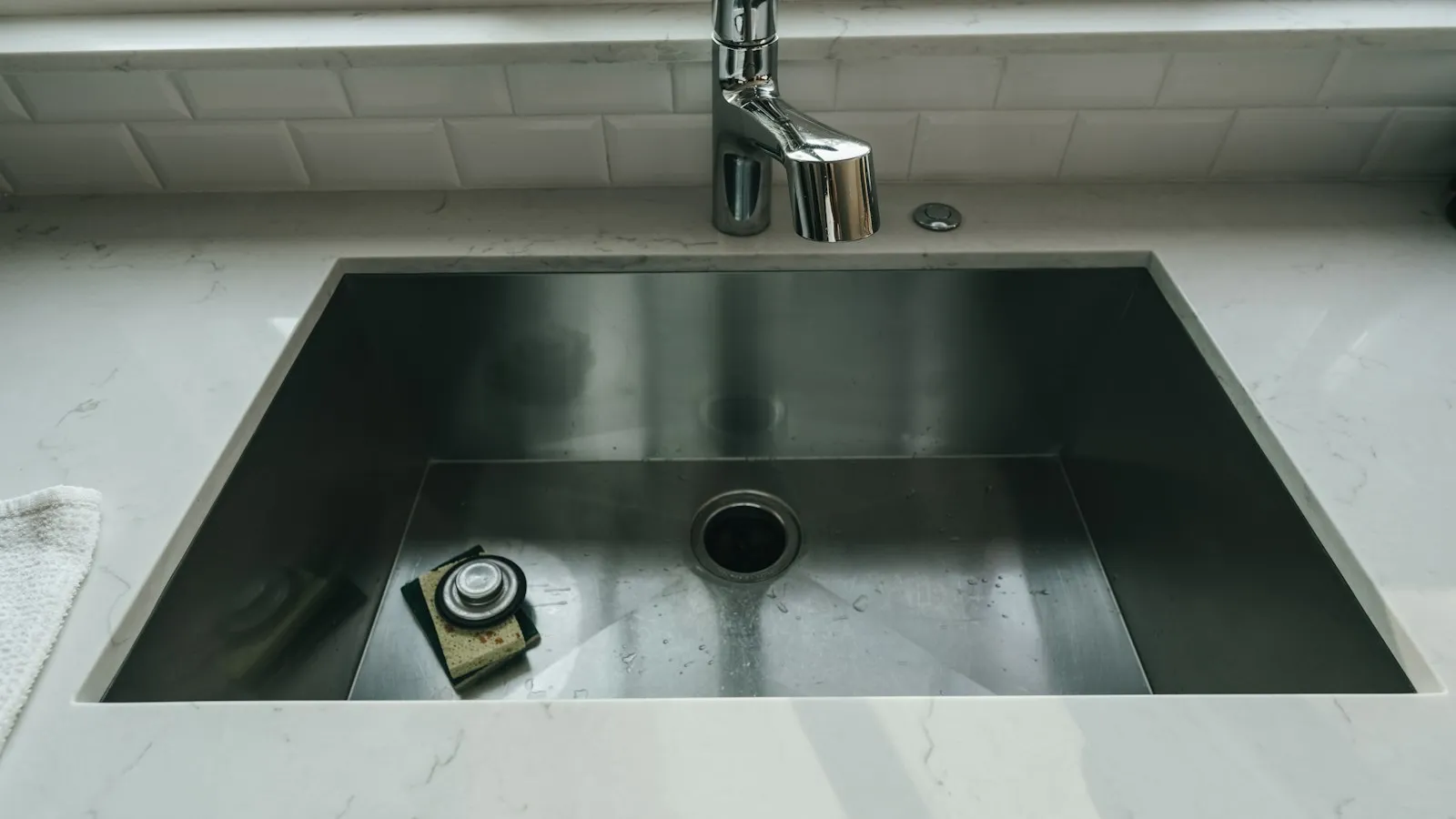
Yes, you can have a garbage disposal with a septic tank, but only with limits. A disposal adds food solids to the tank that would otherwise be broken down more slowly or caught by your kitchen trap, so the tank fills faster and needs pumping more often.
Whether this works well for your home depends on your tank size, how many people live there, and what goes down the sink. This guide explains what changes when you add a disposal, how often you will likely need to pump, what never to grind, and how to choose and use a disposal so your septic system keeps working for decades.
- A garbage disposal is allowed on most septic systems, but it increases the solids that settle in the tank.
- Expect more frequent pumping; many households with a disposal pump every 2 to 3 years instead of 3 to 5.
- Never grind grease, coffee grounds, fibrous peels, bones or non-food items.
- Use a disposal designed for septic use, run plenty of water, and scrape plates first.
The Short Answer: Yes, With Limits
A septic system handles wastewater by letting solids settle in the tank while liquids flow out to the drain field. Most septic systems can handle a garbage disposal, and many homeowners run one for years without trouble. The key is understanding that the disposal does not make food waste disappear; it moves it into your tank as small particles.
The limits come from volume and composition. A disposal sends food scraps into the same tank that already receives toilet waste, laundry water and shower water, so the sludge layer builds faster. If you keep the tank pumped on schedule and avoid the items listed below, the added load is usually manageable. Plan on more frequent pumping rather than assuming the system will last as long as it would without a disposal.
How Disposals Add Solids to Your Tank
Inside a septic tank, bacteria break down organic matter over time. Liquids leave through the outlet, while heavier solids sink to the bottom as sludge and lighter materials like grease float to form a scum layer. Anything that does not break down easily stays in the tank until it is pumped out.
Food scraps ground by a disposal are finely chopped but still organic solids. They add to the sludge layer, and some of that material decomposes slowly. Grease and oils are a particular concern because they can cling to pipes and form scum that reduces the tank's working capacity. Even with a disposal, the solids you grind still have to go somewhere, which is why pumping frequency matters.
Water use matters too. Running a disposal uses water, and the more water that flows through the tank, the less time solids have to settle. Pairing a disposal with a household that also does several loads of laundry each day can shorten the interval between pumpings noticeably.
Compare the best-rated septic service companies near you, with reviews and services.
How Much More Often You'll Need to Pump
Standard guidance from the EPA is to pump a septic tank every 3 to 5 years, and to inspect it every 1 to 3 years. A disposal pushes you toward the shorter end of that range. Household size and tank size shape the real schedule: a family of four with a 1,000-gallon tank may need pumping about every 3 years, while a 750-gallon tank in a busy home may need it every 2 to 3 years, and a 1,500-gallon tank may stretch to 4 to 5 years.
Because a disposal adds solids, many homeowners who grind food waste plan on pumping every 2 to 3 years. A tank inspection can show how quickly sludge is building up, so you can adjust the schedule based on evidence rather than guesswork.
Cost is part of the calculation. Typical national pumping costs run about $290 to $565 per visit, with an average near $430. Pumping every 3 years at that average works out to roughly $143 per year, while pumping every 2 years would raise the annual figure. Budgeting for the more frequent schedule is far easier than dealing with a backed-up system. You can read more about septic tank pumping cost and timing in our detailed guide, and check how often to pump a septic tank by household size to match your home.
Foods and Items to Never Grind
The most important habit is knowing what not to put in the disposal. Some items cause clogs, some do not break down, and some damage the bacteria that keep the tank working. Keeping a short mental list will protect your system far more than any additive.
The following should stay out of the disposal and out of the drain entirely:
- Cooking grease, oil, fat and butter, which harden into scum in the tank and pipes
- Coffee grounds, which settle as dense sludge
- Fibrous foods such as celery, corn husks, artichoke leaves and onion skins that wrap around blades and pipes
- Bones, eggshells, pits and fruit seeds that do not break down well
- Pasta, rice and starchy leftovers that swell and clump
- Paper towels, wipes, cigarette butts, diapers, cotton balls and other non-food items
- Chemicals such as paint, solvents, pesticides and strong drain cleaners that can kill the bacteria in the tank
Choosing a Disposal Made for Septic Systems
Not all disposals are the same, and manufacturers often label models as suitable for septic use. These units typically use more water and grind food finer, which helps particles move through the system instead of settling quickly. If you are buying a new disposal or replacing an old one, look for a model marked for septic systems and check the manufacturer's guidance before installing it.
Installation matters as much as the model. A plumber can confirm that your sink drain and waste lines are in good condition, and that the disposal is set up with the right water flow. If you are unsure whether your current setup is compatible, a septic service professional can review the tank size and how the household uses water. Local rules differ, so check with your county or state health department before making changes; see laws and septic companies by state for a starting point.
Alternatives: Composting and Scraping Plates
Many homeowners on septic reduce the load by keeping food waste out of the system altogether. Composting is one of the simplest options. Fruit and vegetable scraps, coffee grounds and eggshells can go into a backyard compost bin or a worm bin, where they break down and become garden material instead of tank sludge.
Scraping plates into the trash or compost before rinsing them is another easy change. Wiping greasy pans with a paper towel and throwing the towel in the trash keeps fats out of the sink. Many people find that once they scrape plates thoroughly, they rarely need the disposal at all, and the tank benefits. You can also check the best toilet paper for septic tanks as part of a broader plan to reduce what reaches the tank.
Do's and Don'ts Checklist for Daily Use
Daily habits make the biggest difference to how long your tank goes between pumpings. A short checklist posted near the sink can help everyone in the house follow the same rules. Running water while the disposal operates helps move material through the pipes, and spreading laundry over the week reduces the water surge that the tank receives in a single day.
Keep the checklist simple and consistent so it sticks:
- Do scrape plates into the trash or compost before running the disposal.
- Do run plenty of cold water while the disposal is grinding and for several seconds after.
- Do spread laundry and dishwashing across the week instead of all at once.
- Do keep a written pumping and inspection record so you know when the tank was last serviced.
- Do call a licensed septic professional if you notice slow drains, gurgling or odors.
- Don't pour grease, oil or coffee grounds down the sink.
- Don't use chemical drain cleaners regularly; they can harm the bacteria in the tank.
- Don't flush or grind anything that is not human waste or toilet paper.
- Don't open or enter the septic tank yourself; leave inspection and pumping to trained professionals.
Frequently asked questions
What do plumbers say about garbage disposals?
Plumbers generally agree that a garbage disposal is workable with a septic tank if the household pumps on schedule and avoids grease and fibrous foods. Many advise homeowners to use a model designed for septic systems, run plenty of water and scrape plates first. Ask a licensed septic professional to review your tank size and household water use for advice specific to your home.
Can you flush paper towels with a septic tank?
No. Paper towels are not designed to break down like toilet paper and can clog pipes, the outlet and the drain field. Only toilet paper should be flushed. Put paper towels, wipes and similar products in the trash, even if the package says flushable, because they often do not break down in a septic tank.
How many loads of laundry can you do in a day with a septic tank?
There is no single number that applies to every home, because it depends on tank size, household size and the drain field. As a general habit, spreading laundry across the week rather than running many loads in one day helps prevent the tank from being flooded with water. If you are unsure about your capacity, a septic professional can advise based on your system.
What's the worst thing for a septic tank?
Among the most damaging items are grease and oil, non-food items like wipes and feminine products, and harsh chemicals such as paint thinners, solvents and strong drain cleaners. Grease builds scum that blocks flow, while chemicals can kill the bacteria that break down waste. Keeping these out of the drains is one of the most effective ways to protect your system.
 Is Drano Safe for Septic Tanks? What to Use Instead
 Do Septic Tank Enzymes and Additives Actually Work?
 Septic Tank Alarm Going Off: What It Means and What to Do