Do Septic Tank Enzymes and Additives Actually Work?
Updated November 17, 2026
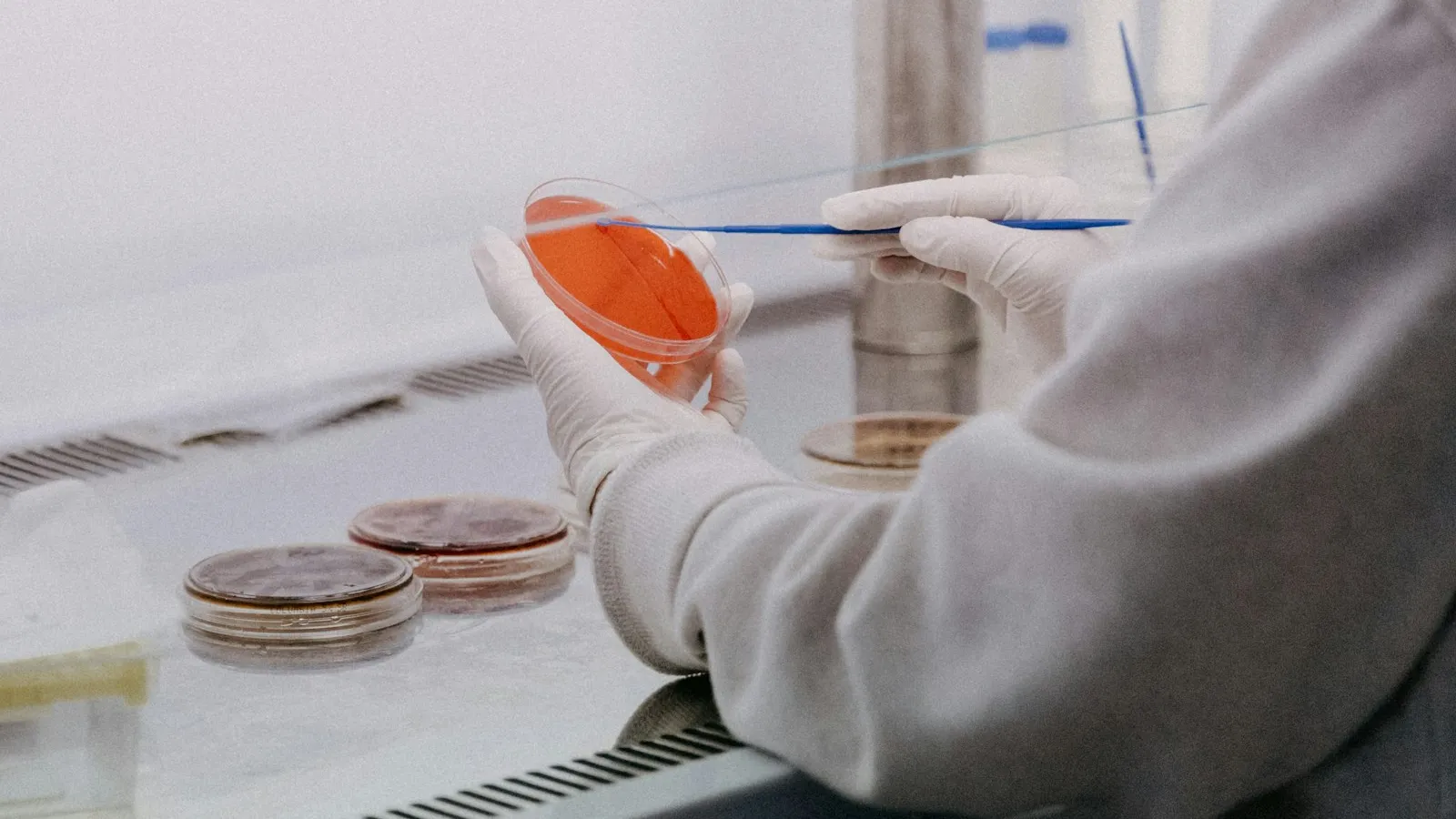
Septic tank enzymes and additives generally do not replace routine pumping, and many of them do little or nothing for a tank that is working properly. Most healthy septic systems already contain the bacteria they need, and the solids that cause trouble are removed only by pumping the tank.
That said, the answer is not a flat no. Some additives are harmless, a few can cause real problems, and the right choice depends on what your system is doing. This guide walks through what these products claim, what the research and regulators say, and what really keeps a tank healthy for decades.
- Enzymes and bacteria additives are not a substitute for pumping your tank on schedule.
- Most healthy tanks already have the bacteria needed to break down waste.
- Some chemical cleaners and additives can damage the system or the drain field.
- Water use, flushing habits and inspections matter more than any product you add.
- Call a licensed professional when you see warning signs rather than reaching for a bottle.
What Septic Additives Claim to Do
Septic additives come in many forms: powders, liquids, tablets and pods. Their labels often promise to break down solids, reduce odors, prevent backups, extend the life of the tank and cut the frequency of septic tank pumping. Some are marketed as enzymes, others as live bacteria, and others as yeast, minerals or plant-based blends. The language is usually confident and the price is modest, which is part of their appeal.
The basic idea is that bacteria in the tank digest organic waste, and that adding more of them or the enzymes they produce will speed that process. In a tank that is working well, the natural bacterial population is already doing this job. The question for a homeowner is whether an extra dose changes anything measurable in the tank, and whether the claims made on the label hold up when the tank is inspected.
What the Research and Regulators Say
Independent research on septic additives has generally found that they do not reliably reduce the need for pumping or improve how a system performs. Organizations such as the U.S. Environmental Protection Agency have pointed out that there is little evidence that additives eliminate the need to pump a tank, and that a properly functioning septic system does not need them. The EPA's standard guidance remains that a tank should be pumped every 3 to 5 years and inspected every 1 to 3 years.
Some regulators and state health departments have also warned that certain additives can move solids into the drain field faster than normal, which can shorten the life of the system. Because septic rules differ across the country, you should check the requirements in your area. Our state-by-state guide to septic laws and companies is a good place to start.
Compare the best-rated septic service companies near you, with reviews and services.
Enzymes vs Bacteria Additives
Enzyme products contain proteins that help break down fats, starches and proteins. Bacteria products add live microorganisms, often in a dry or liquid form, that are supposed to multiply in the tank. Both categories are marketed with similar promises, but they work in different ways and the evidence for each is weak.
Enzymes are consumed in the process of breaking down material and do not reproduce, so their effect is limited to the moment they are added. Bacteria can grow, but a healthy tank typically already hosts a large and diverse population, and extra bacteria often wash out with the effluent before they can make a difference. Neither type has been shown to reliably clear sludge or scum, which is the real job of a septic tank.
When Additives Can Actually Hurt
The most serious concern is with chemical additives, particularly strong solvents, drain cleaners and products that contain caustic or acidic ingredients. These can kill the bacteria the tank relies on, disrupt the balance of the system, and carry harmful material into the drain field. Some compounds are also linked to the breakdown of the soil around the drain field, which can lead to costly failure.
Even products that seem gentle can cause trouble if they are used too often or in large amounts. Adding material that does not break down can increase the sludge layer, and additives that encourage solids to liquefy may push them past the outlet and clog the drain field. If your tank is already struggling, adding a product can mask the real problem while the damage grows underneath.
- Avoid drain cleaners and chemical solvents in a septic system.
- Be cautious with any additive that promises to dissolve solids quickly.
- Never flush wipes, grease, medications or paints, whatever the additive claims.
- Check with a professional before using any product regularly.
What Really Keeps a Septic Tank Healthy
The most effective way to keep a septic tank working is also the least exciting: pump it on schedule, inspect it regularly and manage what goes into it. Typical national pumping costs run $290 to $565, with an average around $430, and a family of four with a 1,000-gallon tank often needs pumping about every 3 years. Spreading water use across the week and fixing leaks protects the tank from being overloaded.
Good habits make the biggest difference. Use septic-safe toilet paper, keep grease and food scraps out of the drain, and avoid pouring chemicals down the sink or toilet. Keep vehicles and heavy loads off the drain field and do not plant trees near it. A professional inspection every 1 to 3 years can catch problems early, and inspections are usually inexpensive compared with a failed system. Typical national inspection costs run $200 to $900. For guidance on timing, see our guide on how often to pump a septic tank.
Natural Treatments: Yeast, Baking Soda and Vinegar
Many homeowners turn to kitchen staples such as yeast, baking soda and vinegar as a gentler alternative to commercial products. These are generally considered safer than harsh chemicals, but there is little solid research showing that they clean a tank or improve its performance. Yeast is sometimes promoted as a way to feed bacteria, but the effect on a working tank is not well documented.
Baking soda and vinegar are weak and are unlikely to do harm in small amounts, but they are also unlikely to remove sludge or scum. Pouring them in does not replace pumping. If you want a dependable treatment, the most effective natural step remains regular pumping, combined with water conservation and careful disposal habits. If you suspect a real problem, call a licensed septic professional rather than experimenting.
How to Spot Marketing Claims That Don't Hold Up
Septic product labels often use language that sounds scientific but says little. Watch for promises to eliminate pumping, end backups or permanently fix a system. Claims that a product works for every tank, every soil type and every household are rarely credible, because every system is different. Testimonials and before-and-after stories do not show that a product caused the change, and many problems improve on their own or after routine maintenance.
Look for specific, verifiable information such as ingredients, safety data and how the product interacts with the drain field. Be skeptical of anything that promises fast results from a single dose. If the company cannot explain the mechanism or point to independent testing, treat the claim with caution. When in doubt, ask a licensed septic professional or check your state's guidance before you buy.
Frequently asked questions
Should I put enzymes in my septic tank?
In most cases, you do not need to. A healthy septic tank already contains the bacteria it needs, and enzyme products have not been shown to reliably reduce sludge or the need for pumping. Regular pumping every 3 to 5 years and periodic inspections are more effective. If you are thinking about any additive, check with a licensed septic professional first, especially if your system has had problems before.
Are enzymatic cleaners septic safe?
Some enzymatic cleaners are labeled as safe for septic systems, but the label is not a guarantee that they will help. Enzymes are used up and do not solve the underlying problem of solids building up. Avoid products that contain harsh chemicals or strong solvents, and never rely on any cleaner to replace routine maintenance. Read labels carefully and ask a professional if you are unsure.
What chemical is commonly used to clean septic tanks?
There is no single chemical that is recommended for cleaning a septic tank. The standard method is pumping, which a licensed service removes by hauling out the sludge and scum. Chemical cleaners and drain products can harm the bacteria the tank depends on and may damage the drain field. Homeowners should avoid pouring chemicals into the system and rely on professional pumping instead.
What is the most effective natural treatment for septic tanks?
The most effective approach is not a natural additive but good maintenance. Pump the tank on schedule, usually every 3 to 5 years, spread out water use, avoid flushing non-biodegradable items, and keep grease and chemicals out of the drain. Yeast, baking soda and vinegar are generally harmless in small amounts but have little proven benefit. Regular inspections will catch problems early and are often a better investment than any product.
 Septic Tank Alarm Going Off: What It Means and What to Do
 Septic Tank Backing Up? Causes and What to Do Right Away
 Clogged Septic Drain Field: Signs, Causes and Fixes