Best Toilet Paper for Septic Tanks: What to Look For
Updated November 17, 2026
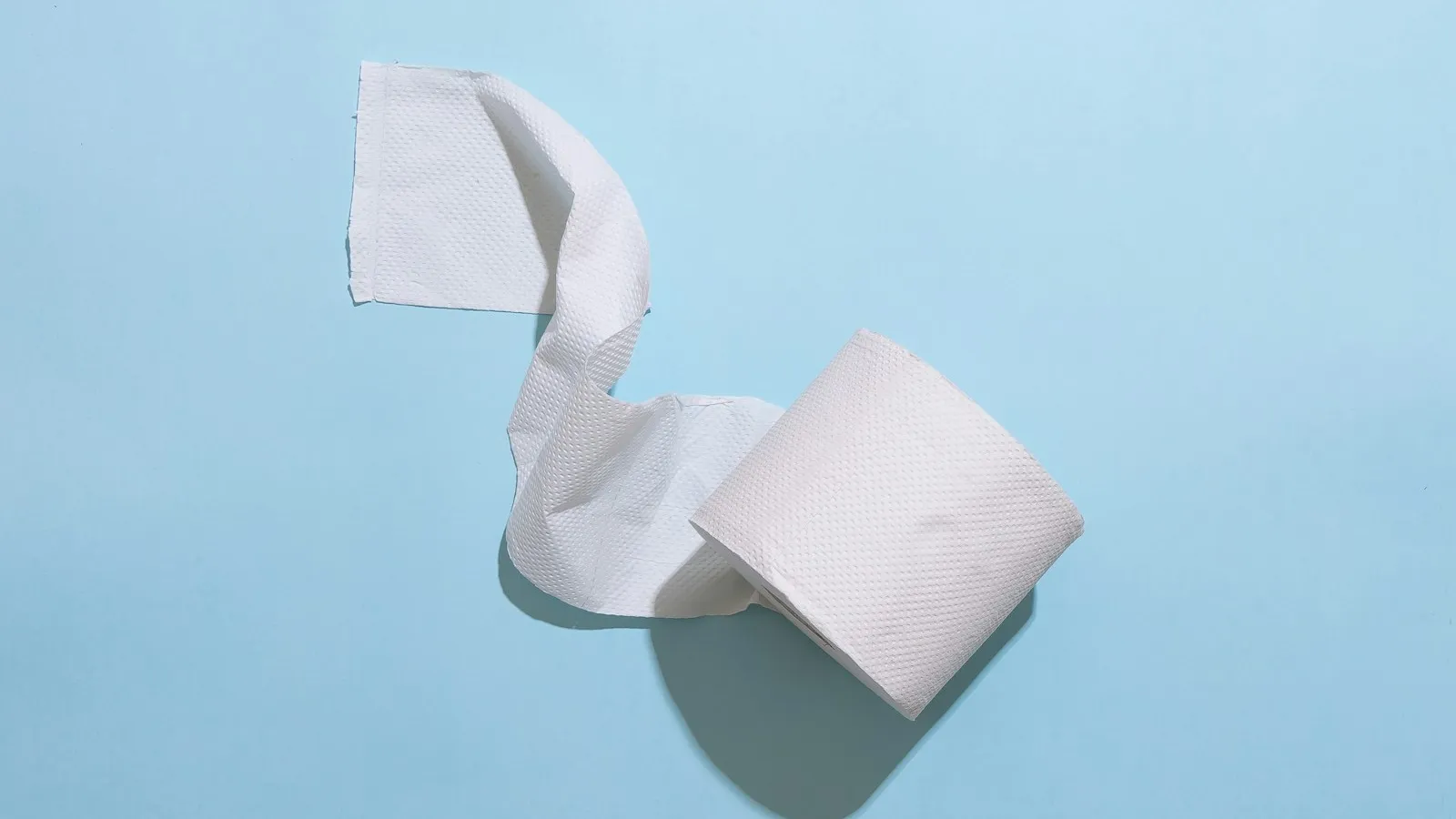
The best toilet paper for a septic tank is a plain, single or two-ply tissue that breaks down quickly in water and does not leave lint or fibers that settle in the tank. Look for products labeled septic-safe or flushable-to-septic, with no quilting, no heavy embossing, and no added scents or lotions.
Your septic tank depends on bacteria to break down solids, and those bacteria can only work on what reaches them in a reasonable time. Toilet paper that falls apart quickly gives them what they need, while thick, slow-dissolving paper can build up in the tank and push more solids toward the drain field. Making a smart choice at the store is one of the simplest ways to protect the system you already own.
- Choose plain, unscented tissue that is labeled septic-safe.
- Avoid quilted, extra-thick, and scented rolls.
- Use the jar test to check any brand before you buy it in bulk.
- Never flush wipes, paper towels, or other products labeled as not flushable.
- Pump on schedule, since heavy paper use shortens the time between pump-outs.
What Makes Toilet Paper Septic-Safe
Septic-safe toilet paper is paper that breaks apart fast once it gets wet and moves through the pipes without snagging. Most of the difference comes down to how the fibers are processed and how much binding material is added. Paper made with minimal bonding agents tends to disperse in the tank rather than clump together.
When you read a package, look for the words septic safe or septic tank safe. Those labels usually mean the manufacturer has tested the product for quick dispersal. Two-ply paper is common among septic-safe brands because it is strong enough for daily use while still breaking down. Products with a simple, unpatterned sheet are generally a safer bet than premium multi-texture rolls.
Keep in mind that a label is a starting point, not a guarantee. Two products with the same label can behave differently in your system depending on water use, tank size, and how many people live in the home. A product that works well for a couple may still cause trouble for a family of five that flushes more often.
- Plain, single or two-ply tissue
- Labeled septic-safe or septic tank safe
- No quilting, heavy embossing, or extra texture
- Unscented and free of lotions or added chemicals
Best Septic-Safe Toilet Paper Brands
Several major brands sell rolls marketed for septic systems, and many homeowners find them a reasonable choice for everyday use. Store-brand septic-safe rolls are often a budget-friendly option that performs about as well as name brands, as long as the packaging carries the right label and the paper is plain.
Brand choice matters less than the product type. Before buying a large pack, test a single roll in your own system over a few weeks and watch for signs of trouble such as slow drains or more frequent backups. If a brand works well for your household, stick with it. If not, switch to a plainer product.
You do not need to pay a premium for septic-safe paper. Focus on the label and the paper style rather than marketing claims about softness or luxury. Reading the reviews from other septic owners can help, but paraphrase what matters to you rather than relying on any single recommendation.
- Compare the printed label on each roll before buying in bulk.
- Start with a small pack when you try a new brand.
- Watch your drains for two to three weeks after a switch.
Compare the best-rated septic service companies near you, with reviews and services.
Softness vs Breakdown: Finding the Balance
Most people want soft paper, but softness and breakdown do not always go together. Softer paper often has more fiber treatment and sometimes more bonding, which can slow how quickly it disperses. The goal is a paper that feels comfortable without holding its shape in water for long.
A useful middle ground is a two-ply, unembossed or lightly textured sheet. It feels softer than a single thin sheet but still breaks down rather well. Thick, cushioned rolls often feel luxurious but tend to hold together longer in the tank, which is where problems can start.
If your household is used to a plush roll, switch gradually. Try a septic-safe two-ply product for a few weeks, then judge whether it feels comfortable enough for your needs. Most people adjust quickly, and the change protects the system without much sacrifice.
- Two-ply plain tissue is often the best balance.
- Thick, cushioned rolls break down more slowly.
- Switch gradually if your household prefers very soft paper.
The Jar Test: Check Any Brand at Home
The jar test is a simple way to see how quickly a paper breaks apart in water. It needs only a clear glass or plastic jar with a lid, some tap water, and a few sheets of the paper you want to check. It does not involve any contact with sewage, so it is safe to do in your kitchen.
Fill the jar about three-quarters full with water, drop in two or three sheets, screw on the lid, and shake gently for about 15 to 20 seconds. Then let the jar sit and check the paper every few minutes. Septic-safe paper should begin to separate and break into small pieces fairly quickly, while paper that stays in large intact clumps is likely to dissolve slowly in your tank.
Repeat the test with a few different brands and compare results side by side. The paper that falls apart fastest is generally the better choice for your system. Keep the jar out of reach of children and pets, and never use the test jar for food or drink afterward.
- Use a clear jar with a tight lid and tap water.
- Add two or three sheets and shake for 15 to 20 seconds.
- Check every few minutes and note how quickly the paper breaks up.
- Compare at least two brands before choosing one.
Toilet Paper to Avoid: Quilted, Extra-Thick and Scented
Some toilet paper types are common in homes but are hard on septic systems. Quilted rolls have raised patterns and multiple layers that resist breaking apart. Extra-thick or triple-cushioned rolls contain more fiber and binding, so they take longer to disperse. Scented and lotion-infused papers add chemicals that can affect the bacteria your tank relies on.
Colored or printed paper can also be a concern because dyes and inks are not designed to break down in a septic environment. If a package does not say septic-safe, it is wise to assume it may not disperse well, even if it feels fine when you use it.
When in doubt, choose the simplest option. Unscented, unprinted, unquilted tissue is the safest default for most septic owners, and you can check any brand with the jar test before making a bulk purchase.
- Quilted or heavily embossed rolls
- Extra-thick, triple, or cushioned rolls
- Scented, colored, or lotion-infused paper
- Printed rolls that lack a septic-safe label
Wipes, Paper Towels and Other Things Not to Flush
Toilet paper is the only product most septic systems are built to handle. Wipes, even those labeled flushable, often do not break down in a septic tank and can accumulate, clog pipes, and damage pumps. Paper towels, tissues, cotton balls, feminine hygiene products, and diapers should also stay out of the toilet.
Many people are surprised that flushable wipes cause so much trouble. Manufacturers may describe them as flushable because they can pass through pipes, but they rarely disperse the way tissue does. Over time they collect in the tank and can contribute to a full tank well before the expected pump-out date.
Keep a lined trash can in the bathroom for anything that is not toilet paper. This simple habit prevents most of the blockages that homeowners report. If your household is unsure what is safe, post a short list near the toilet as a reminder for guests and children.
- Wipes, including those labeled flushable
- Paper towels, tissues, and napkins
- Cotton balls, cotton swabs, and dental floss
- Feminine hygiene products, diapers, and condoms
How Much Paper Is Too Much for Your System
Even septic-safe toilet paper can overwhelm a system if used in large quantities. Your tank is sized for a certain daily load, and extra paper adds solids that must be broken down and eventually pumped out. A household that uses paper heavily, or that has frequent guests, may fill the tank faster than expected.
Typical pumping intervals run from about every three to five years, but larger families or homes with heavy water use often need pumping every two to three years. A family of four with a 1,000-gallon tank commonly pumps about every three years, while a 750-gallon tank may need attention every two to three years and a 1,500-gallon tank may go four to five years.
Typical national prices for septic tank pumping range from about $290 to $565, with an average near $430. Spreading out paper use, using septic-safe rolls, and avoiding non-flushable products all help you stretch the time between pump-outs and keep those costs predictable. If you notice slow drains, gurgling, or odors, a professional inspection is a good next step. Check the state-specific rules and local requirements on the state septic guides before you plan major work, since regulations vary by state.
- Pump every 3 to 5 years for most households.
- Pump every 2 to 3 years for large families or heavy water use.
- Typical pumping costs run about $290 to $565 nationally.
Frequently asked questions
What toilet paper isn't septic safe?
Quilted, extra-thick, triple-cushioned, scented, colored, or lotion-infused toilet paper is generally not septic safe because it breaks down slowly or adds chemicals to the tank. Any paper without a septic-safe label deserves a jar test before you use it in quantity. Wipes and paper towels are also unsafe even when they feel like tissue.
How often should I pump my septic tank?
Most households should pump every three to five years, while large families or homes with heavy water use may need pumping every two to three years. Tank size matters too, since a 750-gallon tank fills faster than a 1,500-gallon tank. Typical national pumping costs run about $290 to $565, and your local rules may set their own schedule, so check your state guidance.
Is Dawn dish soap ok for septic tanks?
Dawn dish soap is generally considered gentle enough for septic systems when used in normal household amounts, and many homeowners use it without trouble. Heavy use of any cleaning product can still disrupt the bacteria in the tank, so using moderate amounts is wise. If you have questions about your specific system, a septic professional can give advice based on your setup.
What's the worst thing for a septic tank?
Flushing non-degradable items is one of the worst things you can do, including wipes, paper towels, feminine products, and diapers. Pouring grease, harsh chemicals, and large amounts of cleaning solvents can also harm the bacteria that break down waste. Keeping these out of the system and pumping on schedule protects both the tank and the drain field.
 Can You Have a Garbage Disposal With a Septic Tank?
 Is Drano Safe for Septic Tanks? What to Use Instead
 Do Septic Tank Enzymes and Additives Actually Work?