How Deep Is a Septic Tank Buried? Typical Depths Explained
Updated November 17, 2026
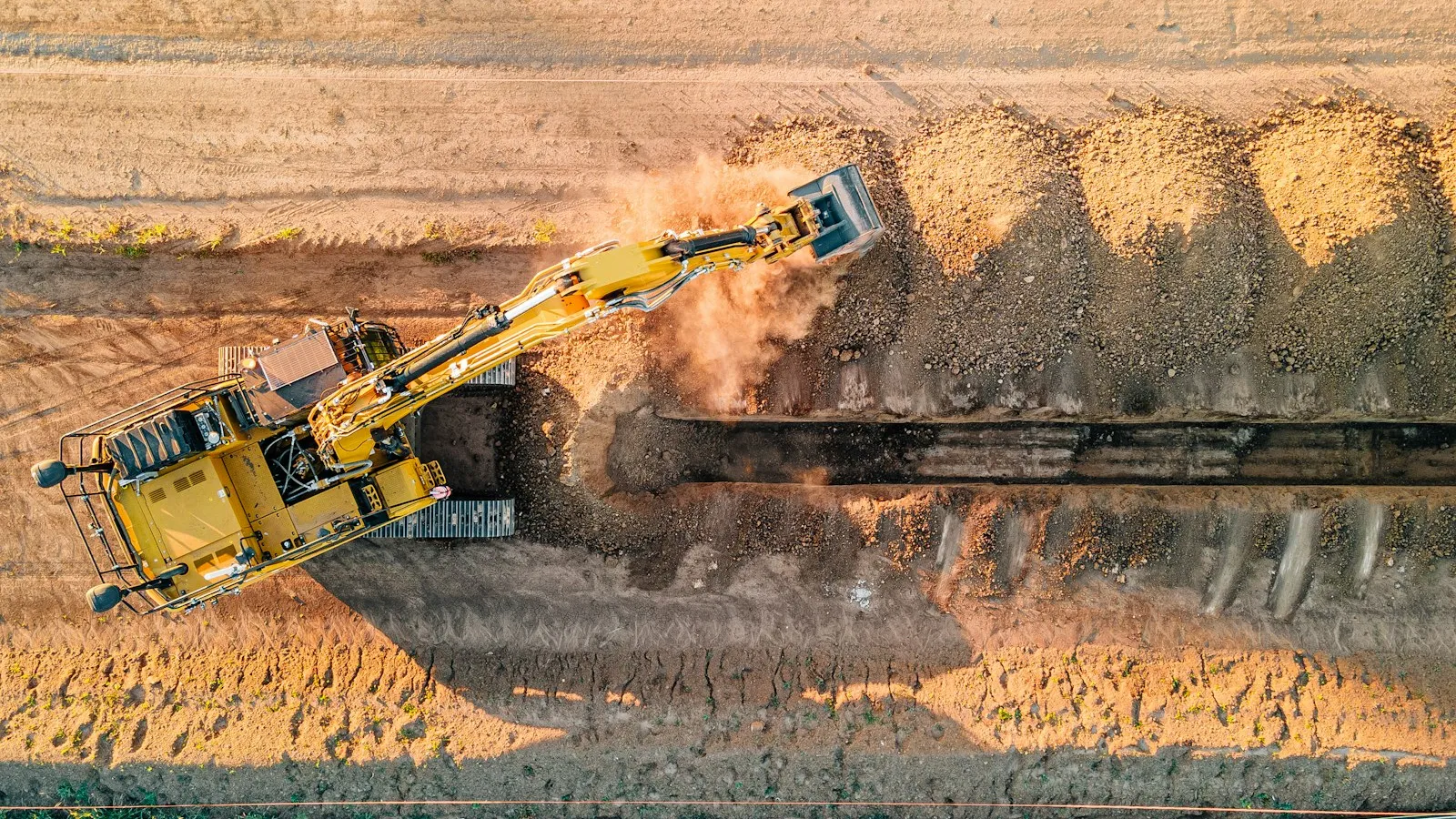
A septic tank is typically buried somewhere between 4 inches and 4 feet below the ground, with many tanks sitting around 2 to 3 feet down. The exact depth depends on the tank's design, local soil, how the house drains into the tank, and how cold the winters get where you live.
Knowing the depth matters more than most homeowners expect. It determines how hard the tank is to find, how much digging is needed to reach the lid, whether the pipes are safe from freezing, and how much clearance you need before you dig anywhere near the system. This guide explains normal burial depths, why they vary across the United States, and how depth affects locating, risers and access.
- Most septic tanks are buried between 4 inches and 4 feet deep, and the lid is often the first thing you can see.
- Frost line, soil type and the slope from the house all change how deep a tank is set.
- Inlet and outlet pipes sit a few inches below the surface and must be kept clear of digging.
- A riser brings a deep lid to the surface and makes pumping and inspection much easier.
- Call a licensed professional before digging near a tank, and check your state rules.
Typical Burial Depth: 4 Inches to 4 Feet
Most homes have a septic tank buried at a depth that lets the tank drain by gravity from the house. In practice that means the top of the tank is often only a few inches to a foot or two below grade, while some installations go deeper to reach better soil, to match the slope of the land, or to stay below the frost line. A tank that is 4 feet down is still common, but it is harder to reach for routine work.
The depth you will find on your property depends largely on when and how the system was installed. Older systems were sometimes placed with less attention to lid access, while newer installations often include risers or extended lids. If you are not sure, a septic professional can probe the ground or use a locating tool to confirm the tank's position and depth before any digging starts.
Most septic tanks fall between 4 inches and 4 feet deep, so the first step is figuring out where in that range yours sits.
Why Depth Varies by Region, Soil and Frost Line
Depth is not standardized across the country, because the factors that shape it change from one region to another. Cold climates require tanks and pipes to be placed deeper than the frost line, which is the depth the ground freezes in winter. In southern states with mild winters, tanks can be set much shallower. The frost depth varies widely, from a few inches in the Deep South to several feet in northern states, so the same tank may sit at very different depths in Florida and Minnesota.
Soil also plays a role. In sandy or rocky ground, installers may bury a tank differently to meet drainage and stability needs. Wet or high water table areas can require the tank to be placed higher, sometimes partly above grade, to keep groundwater from entering. Slope matters too. Because wastewater flows downhill by gravity, the tank and drain field are set to keep a consistent fall from the house.
Local rules and the installer's design also affect depth. Many states and counties set minimum cover requirements and separation distances. These rules differ, so check the guidance for your state before planning any work. You can review state-specific information on all states, with laws and companies by state.
- Colder regions: tanks and pipes usually sit below the frost line.
- Sandy or rocky soil: depth and cover are chosen to suit drainage and stability.
- High water table: tanks may be set higher or partly above grade.
- Sloped lots: the layout is designed so wastewater flows by gravity.
Compare the best-rated septic service companies near you, with reviews and services.
How Deep Are the Inlet and Outlet Pipes?
The inlet and outlet pipes are the connections that carry wastewater into and out of the tank. The inlet pipe comes from the house, and the outlet pipe leads to the drain field. These pipes are usually buried a few inches to a couple of feet below the surface, and they sit at a slight downhill slope so gravity keeps everything moving. The inlet pipe is typically set a bit higher than the outlet, which lets solids settle inside the tank rather than pass through.
Because these pipes are shallow and connect directly to the house, they are the most vulnerable part of the system during yard work. Digging a trench, planting a tree or running a new utility line can easily break or misalign a pipe. Even a small change in the slope can cause backups or slow drainage. If you notice gurgling drains, slow flushing or wet spots in the yard, have a professional check the pipe connections rather than guessing where the problem is.
If you are planning construction or landscaping, mark the path of the pipes before any digging. A simple sketch with measurements from fixed points, such as the house corner, helps. Keep heavy equipment off the area and avoid planting roots close to the lines.
How Depth Affects Finding Your Tank and Lid
Depth is one of the main reasons people struggle to find their septic tank. A tank buried a few inches down may be found by probing or by looking for a lid at the surface, while a tank 3 or 4 feet down can be hidden by grass, mulch and soil settling over time. Lids can also be covered by landscaping, patios or sheds, which makes the tank even harder to locate when it is time for pumping or inspection.
Depth also affects how you approach the search. Shallow tanks may reveal themselves through a slight dome in the lawn, a line of slightly greener grass, or a cover flush with the ground. Deeper tanks often require a plan: checking the house plans, the permit records, or the installer's drawing, and then measuring from fixed points. Many homeowners find their system by reviewing these records first, and a guide like How to Find Your Septic Tank: 6 Ways to Locate It Safely covers the methods in more detail.
Be careful when probing. Use a thin metal rod or probe gently, and stop if you hit something that does not feel like soil. Never open a lid to look inside, and avoid standing on or near a lid, which can be a fall or cave-in hazard. If the tank cannot be found, a septic service can locate it with specialized tools.
Risers: Bringing a Deep Lid to the Surface
A riser is an extension that raises the tank's access opening closer to the ground surface. Risers are usually made of plastic or concrete and attach to the tank's manhole. They make a deep tank much easier to reach for pumping, inspection and filter cleaning, because you no longer need to dig down several feet to expose the lid. Risers also reduce the chance of the lid being buried again over time by soil or lawn growth.
Risers are often installed when a tank is set deep or when the homeowner wants routine access without heavy digging. They should be sealed and secured properly so that surface water and debris cannot enter the tank. A riser that is poorly sealed can let rainwater in and dilute the system, and a loose cover is a safety risk for children and pets. The installation should be done by a qualified professional.
Ask your septic service whether a riser makes sense for your tank. For many homes it is a practical upgrade that costs less than repeated excavation, though the exact cost depends on the tank and conditions. Remember that pumping and inspection costs are separate from riser work; typical pumping runs about $290 to $565 nationally, with an average near $430.
Safety Around a Buried Tank
A septic tank is a confined space that contains sewage and gases. The biggest dangers come from opening the tank, falling into it or into an open hole, and breathing gases that can build up inside. Hydrogen sulfide and methane are both produced by the system, and they can be deadly in enclosed spaces. For this reason, homeowners should never enter a tank, climb onto an open lid, or attempt to clear blockages by hand.
Surface hazards matter too. Lids can crack or collapse under weight, so keep vehicles, equipment and heavy objects away from the tank area. Keep children and pets away from open or damaged lids. If you notice a sinkhole, a sudden wet spot, or a strong sewage smell in the yard, stay clear of the area and contact a septic professional.
Do not dig, pump or repair the system yourself. Pumping and inspection should be handled by licensed professionals who have the equipment and training to work safely. Typical national inspection costs range from about $200 to $900, and a professional visit is far safer and more reliable than a do-it-yourself approach. Call a licensed septic service right away if there is a backup, a collapsed lid, or any sign of sewage at the surface.
Digging Near a Tank: Clearance and Utility Marking Tips
Before digging anywhere on your property, find out where the tank, pipes and drain field are. Digging too close to a tank can crack the walls or shift the pipes, and digging over the drain field can compact the soil and damage the absorption area. Many areas require a minimum clearance from the tank and drain field for new structures, trees and driveways, so check your local requirements before you start.
Call your local utility locate service before any excavation. In most areas this is a free call that marks underground gas, electric, water and communication lines. Septic lines are not always included in these markings, so tell the locator that a septic system is on the property and ask whether it can be marked too. Mark your tank and drain field on a site plan, and keep the plan with your home records.
Plan your project around the system. Avoid parking vehicles on the tank or drain field, keep heavy equipment off the area, and do not plant trees with aggressive roots nearby. If you are considering a major project near the system, a professional can review the layout and advise on safe clearances. Rules differ by state, so review the guidance for your area before you dig.
- Call the utility locate service before any digging.
- Ask for the septic system to be marked if it is not already included.
- Keep vehicles and heavy equipment off the tank and drain field.
- Avoid planting trees with aggressive roots close to the system.
- Keep a site plan showing the tank, lines and drain field.
Frequently asked questions
How do I locate my septic tank lid?
Start with your home's records, such as permit files, the installer's drawing or a site plan from when the system was installed. These often show the tank's position relative to the house. If you have no records, look for a slight dome, a lid at the surface or a line of unusually healthy grass. A thin metal probe can help you find the tank gently, but stop if you hit something that does not feel like soil. If the lid is still hidden, a licensed septic service can locate it with specialized tools and avoid unnecessary digging.
How long will a septic tank last in the ground?
With proper maintenance, a septic system can last up to about 30 years. Lifespan depends on the tank material, how often it is pumped, how much water the household uses, and the condition of the drain field. Regular pumping every 3 to 5 years, along with inspections, helps protect the tank and the drain field from premature failure. Avoid flushing harmful items and keep heavy loads off the system. If you have concerns about the tank's condition, ask a professional for an inspection.
Can I take a shower if my septic tank is full?
Showering is generally fine for a short period, but a full or backed-up tank means the system is not draining well, and extra water can make the problem worse. Warning signs include slow drains, gurgling pipes and sewage odors. If you suspect the tank is full, reduce water use: avoid running the washing machine, dishwasher and long showers until the system is checked. Call a septic service promptly, because continued use of a full tank can lead to backups inside the house and damage to the drain field.
Can I put paper towels in my septic tank?
Paper towels should not go into a septic system. Unlike toilet paper, they do not break down quickly and can clog the tank, the outlet and the drain field. Wipes, feminine products, diapers and similar items should also be kept out. Use only toilet paper designed to break down, and put everything else in the trash. Following these habits reduces the risk of blockages and expensive repairs, and helps the system last longer between pumping visits.
 Types of Septic Tanks and Systems: Which One Do You Have?
 Plastic vs Concrete Septic Tanks: Pros, Cons and Durability
 Cesspool vs Septic Tank: Key Differences and Which Is Better