Tree Roots in Septic Tank: Signs, Removal and Prevention
Updated November 17, 2026
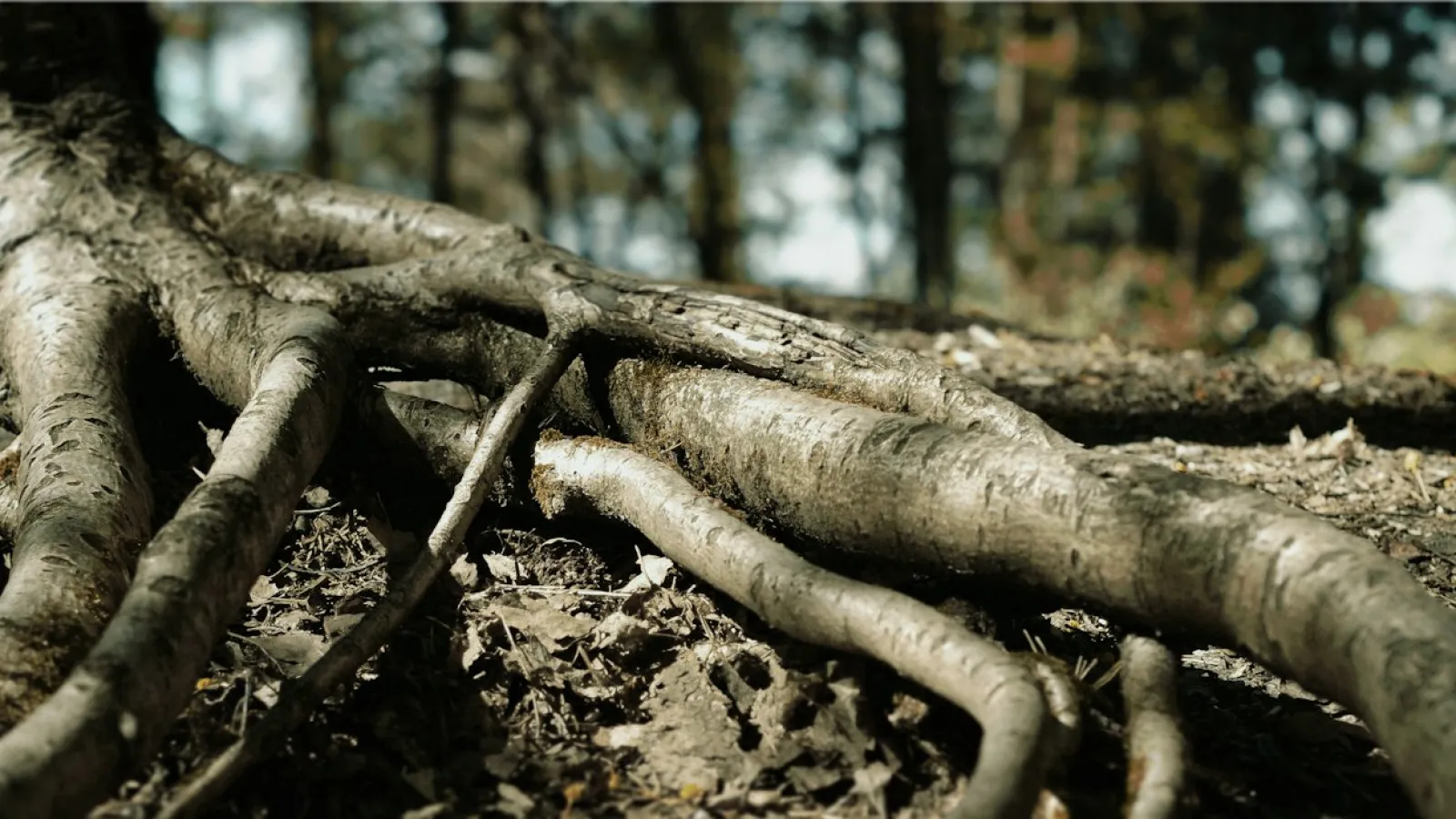
If you are looking for a way of killing roots in septic tank lines, the short answer is that you usually need to remove the roots mechanically first and then use a root control product or plan a long-term fix, because chemicals alone rarely clear a heavy blockage. Roots are one of the most common reasons a septic system stops draining, and the sooner they are dealt with, the cheaper the repair tends to be.
Roots do not grow into pipes on purpose. They grow toward moisture and nutrients, and a leaking joint or a slow drain line is an easy target. This guide explains how roots get in, what warning signs to watch for, how chemical and mechanical methods compare, what the work typically costs in the United States and how far trees should be planted from your system.
- Roots enter through small cracks and loose joints, drawn by moisture and nutrients.
- Slow drains, gurgling and wet spots over the drain field are the most common early signs.
- Mechanical removal is usually more reliable than chemical root killers for established roots.
- Typical national repair ranges run from $650 to $3,000, depending on the problem.
- Keep large trees well away from the tank and drain field, and check local rules.
How Tree Roots Get Into Septic Tanks and Lines
Tree roots are always searching for water. A septic line carries warm water and dissolved nutrients, which makes it an attractive target, especially when the pipe is buried in damp soil. Roots usually start by working into a joint where two pipe sections meet, or into a hairline crack that has formed as the ground shifts with the seasons. Once a small root finds its way in, it thickens and spreads inside the pipe, catching toilet paper and solids until the line is partly or fully blocked.
The tank itself can be invaded too, through an open or poorly sealed inlet or outlet, through a lid that does not fit tightly or through cracks in an older concrete tank. Roots in the tank can disturb the scum and sludge layers, which is one reason regular pumping matters. Drain field pipes are also vulnerable, since they sit in moist soil and are designed to let water seep out, which roots can exploit.
Species matter. Fast-growing trees with aggressive, water-seeking root systems pose the greatest risk, and roots can travel well beyond the canopy. Older systems with clay or cast-iron pipes and systems that have never been inspected are the most exposed. A tree that seems far away can still send roots into the line.
Warning Signs of Root Intrusion
Root problems usually show up gradually. The first sign is often a drain that empties more slowly than it used to, particularly toilets and showers that are connected to the same line. You may hear gurgling in the pipes when water is running elsewhere in the house, or notice that the toilet bubbles when another fixture is used. These symptoms can also point to a full tank, so it helps to look at the whole picture rather than a single sign.
Outside, watch the ground above the tank and drain field. Soggy or unusually green patches, sewage odor near the lid or sluggish water in the lawn can all mean the system is not handling flow properly. If the problem gets worse, you may see sewage backing up into the lowest fixture in the house, such as a basement floor drain.
Common warning signs include:
- Slow drains throughout the house, not just in one fixture
- Gurgling sounds or toilets that bubble when water is used elsewhere
- Wet, spongy or unusually lush ground over the drain field
- Sewage odor around the tank lid or drain field
- Sewage backing up into the lowest drain in the home
If you notice more than one of these, schedule a professional inspection rather than waiting. A technician can use a camera to see inside the line and confirm whether roots are the cause.
Compare the best-rated septic service companies near you, with reviews and services.
Chemical Root Killers: Copper Sulfate and Foaming Options, and Their Risks
Chemical root killers are sold as a quick fix, and many homeowners look for them first. The two main types are copper sulfate, which is a crystalline compound poured into the line or toilet, and foaming products that expand inside the pipe and coat roots with a herbicide. Both are designed to kill root tissue where it contacts the product, but they work only on the portion they reach, and they do not remove the mass of roots that is already blocking the line.
The risks matter for septic systems. Copper sulfate and herbicidal products can harm the bacteria that break down waste in the tank, which is the core of how a septic system works. They can also travel into the drain field and affect soil and groundwater, and many are restricted or prohibited in some areas. Because of this, many septic professionals advise against regular use of chemical root killers in septic systems, and some guidance warns against copper sulfate for septic tanks in particular.
If you are considering a chemical product at all, read the label carefully, confirm it is labeled for septic systems and check with your local health department or a licensed septic professional first. Laws on these products vary by state, so review your state's guidance on the state pages before using anything. A chemical treatment should never replace removing the roots, and it should not be used as a routine habit.
Mechanical Removal: Rooter and Hydro Jetting
Mechanical removal physically cuts or flushes roots out of the line, and it is usually the most reliable way to clear an established blockage. A plumber or septic technician typically uses a motorized rooter, which is a flexible cable with a cutting head that grinds through roots. Hydro jetting uses a high-pressure stream of water to scour the inside of the pipe and wash out roots and buildup. Many professionals start with a camera inspection so they can see the location and extent of the roots before choosing a method.
Rootering is often the first step and can restore flow quickly, but roots tend to regrow if the cause, such as a cracked joint, is not repaired. Hydro jetting can clean the pipe more thoroughly, though it is not suitable for every pipe, and an aggressive jet can damage a fragile older line. A good technician will explain which method fits your pipe material and condition.
These jobs should be done by a licensed professional. Working in or around a septic tank exposes you to gases and pathogens, and a rooter used incorrectly can damage the pipe or the tank. Do not try to open the tank or force a cable through the line yourself. If the line is cracked or heavily invaded, a repair or replacement of the affected section may be needed after the roots are cleared.
What Root Removal Costs
Costs depend on how far the roots have spread, which part of the system is affected and whether the line needs repair afterward. The ranges below are typical national figures for related septic work, so use them to set expectations rather than as a quote for your home. Your actual price will depend on your location, access, pipe material and the condition of the system.
Typical national ranges to keep in mind include:
- Septic tank repair: about $650 to $3,000, with an average of about $1,850
- Septic tank cleaning: about $300 to $700, with an average of about $430
- Septic tank inspection: about $200 to $900, with an average of about $550
- Drain field services: about $3,000 to $15,000, with an average of about $8,000
- Septic tank replacement: about $3,000 to $10,000, with an average of about $6,500
Root clearing alone often costs less than a full repair, but a camera inspection can reveal whether a cracked joint or damaged section needs fixing. Asking for an inspection first is usually the most cost-effective path. Some homeowners also plan for routine septic tank maintenance to catch root growth before it becomes a costly blockage.
How Far to Plant Trees From a Septic System
The safest approach is to keep large trees well away from the tank, the drain field and the pipes that connect them. A common rule of thumb is to keep large trees at least 50 feet from the tank and drain field, while smaller ornamental trees and shrubs can sit closer. Root spread often exceeds the width of the canopy, so the distance should be based on the mature size of the tree, not the size it is when you plant it.
Distances can vary depending on the species, the soil and the design of your system, and local codes may set minimum setbacks. Laws and setback requirements differ by state and sometimes by county, so check the rules where you live on the state guides before planting near a system. If you are planning a new landscape, it is wise to mark the tank and drain field on a site map first.
Before digging, know where your system is. You can review how to find your septic tank safely so you do not damage lines or lids. If you are unsure of the layout, a septic professional can locate the components and mark them for you.
Best and Worst Trees and Shrubs Near a Drain Field
Some plants are far more aggressive with roots than others, and the choice of landscaping can make a real difference over the life of your system. Shallow-rooted, slow-growing plants are generally a better choice near a drain field than large trees with deep, spreading roots. Grasses and low groundcovers are typically preferred over trees in the immediate drain field area, since they do not send roots into the soil that deeply.
Trees and shrubs that are commonly considered high risk include willows, poplars, maples, silver maples, cottonwoods and most large water-seeking species, because their roots spread widely and are drawn to moisture. Trees such as these should be kept far from the tank and lines. Lower-risk choices for areas near a system include smaller ornamental shrubs and plants with compact, shallow root systems, though even these should be kept off the drain field itself.
When in doubt, ask a septic professional or your local extension office about species that suit your soil and climate. Keeping the drain field clear of trees and heavy planting protects both the lines and the soil the system depends on.
Frequently asked questions
What kills tree roots permanently?
Physical removal is the most reliable approach for roots already in a line, because it cuts out the roots that are blocking flow. A permanent solution also requires fixing the cause, such as sealing a cracked joint or replacing a damaged pipe section. Chemical products may slow regrowth in some cases, but they usually do not eliminate a heavy root mass on their own and can harm a septic system if used regularly. A camera inspection followed by mechanical clearing and any needed repair gives the best long-term result.
How long does it take copper sulfate to kill roots in a sewer line?
Copper sulfate does not work on a fixed timetable, and results depend on how much product reaches the roots and how established they are. Some people report slower drains improving over days or weeks, but this is not reliable and does not clear a blocked line. For septic systems, copper sulfate is generally discouraged because it can harm the bacteria the system depends on. If you are dealing with a blockage, a licensed professional can advise you on safer options.
How much does it cost to remove roots from a sewer line?
Root removal costs vary widely with the length of the line, how deep the roots are and whether repairs are needed. Related septic repair work typically falls in a national range of about $650 to $3,000, with an average of about $1,850, while a cleaning often runs about $300 to $700. If a camera inspection shows a damaged section, a drain field or line repair may cost more, sometimes up to $15,000 for drain field services. Ask for an itemized estimate after inspection.
Is rock salt or copper sulfate safe for a septic system?
Neither is generally considered safe for routine use in a septic system. Copper sulfate can kill or weaken the bacteria that break down waste in the tank, and salt can harm the soil in the drain field and affect plant growth around it. Both can cause problems that are expensive to correct. Rules on root control products differ by state, so check your state guidance and speak with a licensed septic professional before using any chemical or salt-based product.
 How to Clean a Septic Tank Effluent Filter Safely
 How Often to Pump a Septic Tank: Schedule by Household Size
 How to Tell if Your Septic Tank Is Full: 8 Warning Signs